In the world of sculpture and fabrication, material selection is more than a technical decision—it is a strategic one. The right choice influences not only cost and timeline, but also durability, maintenance, and ultimately, brand perception. Foam with resin coating has become a widely used solution for its efficiency and affordability. However, behind its apparent advantages lies a critical question:
Is it truly cost-effective—or simply a short-term solution with long-term trade-offs?
1. WHAT IS FOAM + RESIN?
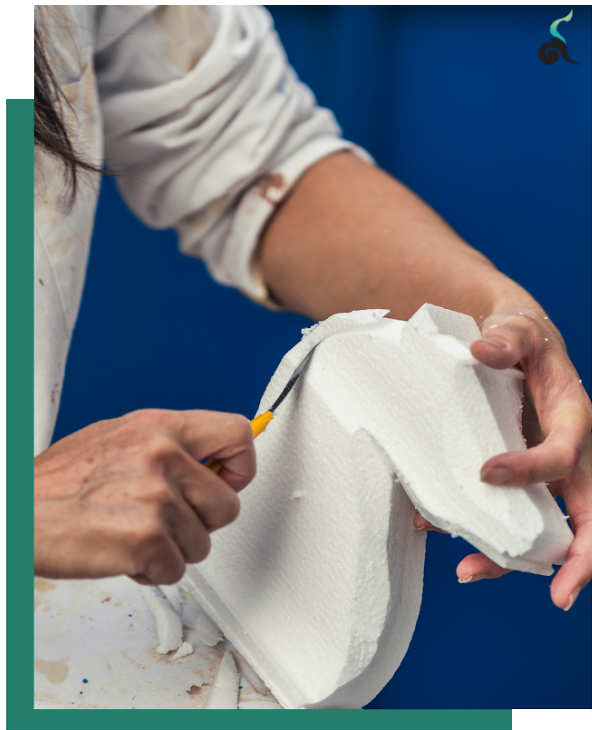
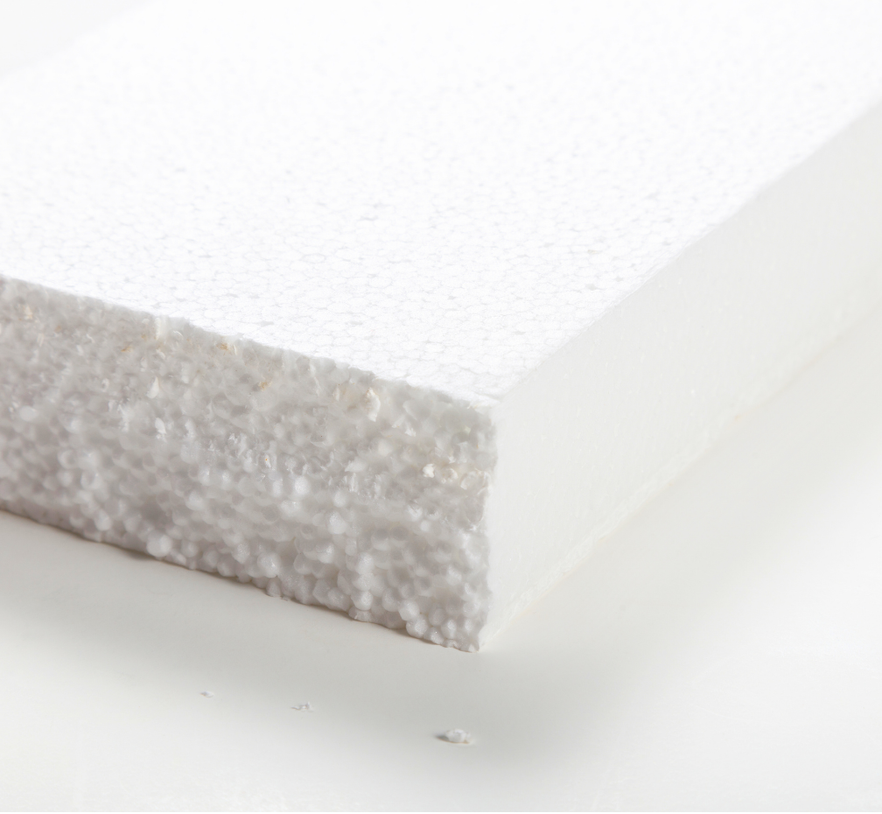
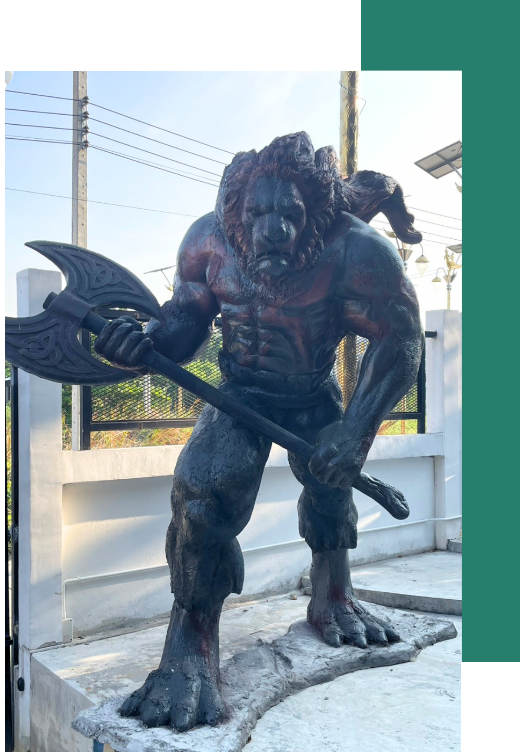
Foam with resin coating is a “lightweight core–hardened surface” system. It typically uses EPS or PU foam as the internal structure, coated with resin or fiberglass to create a rigid outer shell suitable for finishing. While the exterior can replicate the appearance of solid materials, the structural integrity remains dependent on the internal foam core.
2. COST & SPEED ADVANTAGES
The appeal of this system lies in its efficiency: Lower initial cost compared to fiberglass or metal structures Faster production timelines due to ease of shaping and fabrication Lightweight construction, simplifying transportation and installation These advantages make it particularly suitable for projects with tight deadlines and controlled budgets.
3. Quality Limitations Despite its benefits, foam with resin coating presents several important limitations:
Limited structural strength, as the core material is not load-bearing
Low resistance to environmental exposure, particularly UV radiation and moisture
Risk of internal degradation if water penetrates the outer layer
In tropical climates, these factors can significantly accelerate wear and deterioration. Outdoor Application Considerations Foam with resin coating can be used in outdoor environments under certain conditions, particularly for short-term installations or controlled applications. However, for long-term outdoor use, this material presents limitations in durability—especially when exposed to UV radiation, humidity, and potential internal degradation. As such, for projects requiring long-term performance and reliability, alternative materials are generally more appropriate.
In the short term, foam with resin coating offers clear financial and logistical advantages. However, long-term considerations often include:
Ongoing maintenance and repainting
Structural repairs
Replacement cycles In many cases, the total lifecycle cost may exceed that of more durable materials.
Repair & Maintenance Considerations
In many cases, surface-level repairs—such as sanding, filling, and repainting—can restore the visual appearance of a piece temporarily.
However, it is important to understand that these methods address only the exterior layer.
For foam with resin-coated structures, common issues often originate from underlying factors such as:
Moisture infiltration within the foam core
Degradation of the resin layer due to UV exposure
Loss of adhesion between surface coatings over time
As a result, while refinishing may improve appearance in the short term, it does not eliminate the root cause of deterioration. Without addressing these underlying conditions, similar issues—such as peeling, cracking, or surface failure—are likely to reoccur.
For long-term applications, addressing the root cause—or selecting a more suitable material from the outset—is often the more effective and sustainable solution.
The use of foam with resin coating should be carefully considered based on the project’s objectives, expected lifespan, and environmental conditions.
Appropriate for:
Temporary installations such as events or exhibitions Where the duration of use is limited and fast production, flexibility, and ease of installation are key priorities
Indoor applications Where the piece is not exposed to direct sunlight, moisture, or environmental stress, significantly reducing the risk of material degradation
Projects with budget constraints Where initial cost control is a primary consideration, while still achieving the desired form and visual impact
Decorative or display elements with minimal physical interaction
Such as retail displays, showroom installations, or visual merchandising elements that do not require structural strength
Projects requiring frequent updates or design changes Including seasonal displays, marketing campaigns, or temporary installations that benefit from material flexibility and shorter production cycles
Not recommended for:
Long-term outdoor installations Particularly in environments with high UV exposure, humidity, or frequent weather changes, which can accelerate material deterioration
Premium or luxury developments Where long-term appearance, material integrity, and brand perception are critical
Applications requiring high durability or structural performance Including public spaces or installations subject to impact, handling, or continuous use
Projects requiring multi-year lifespan with minimal maintenance Where long-term performance is essential and ongoing repair is not desirable
Environments with high moisture or exposure risks
Such as coastal areas or consistently humid conditions, where internal degradation may occur over time
CASE STUDY: GITI TIRE, RAYONG – FROM FABRICATION TO RESTORATION
At Object Nine, our relationship with a project does not end at installation—it continues throughout its lifecycle.
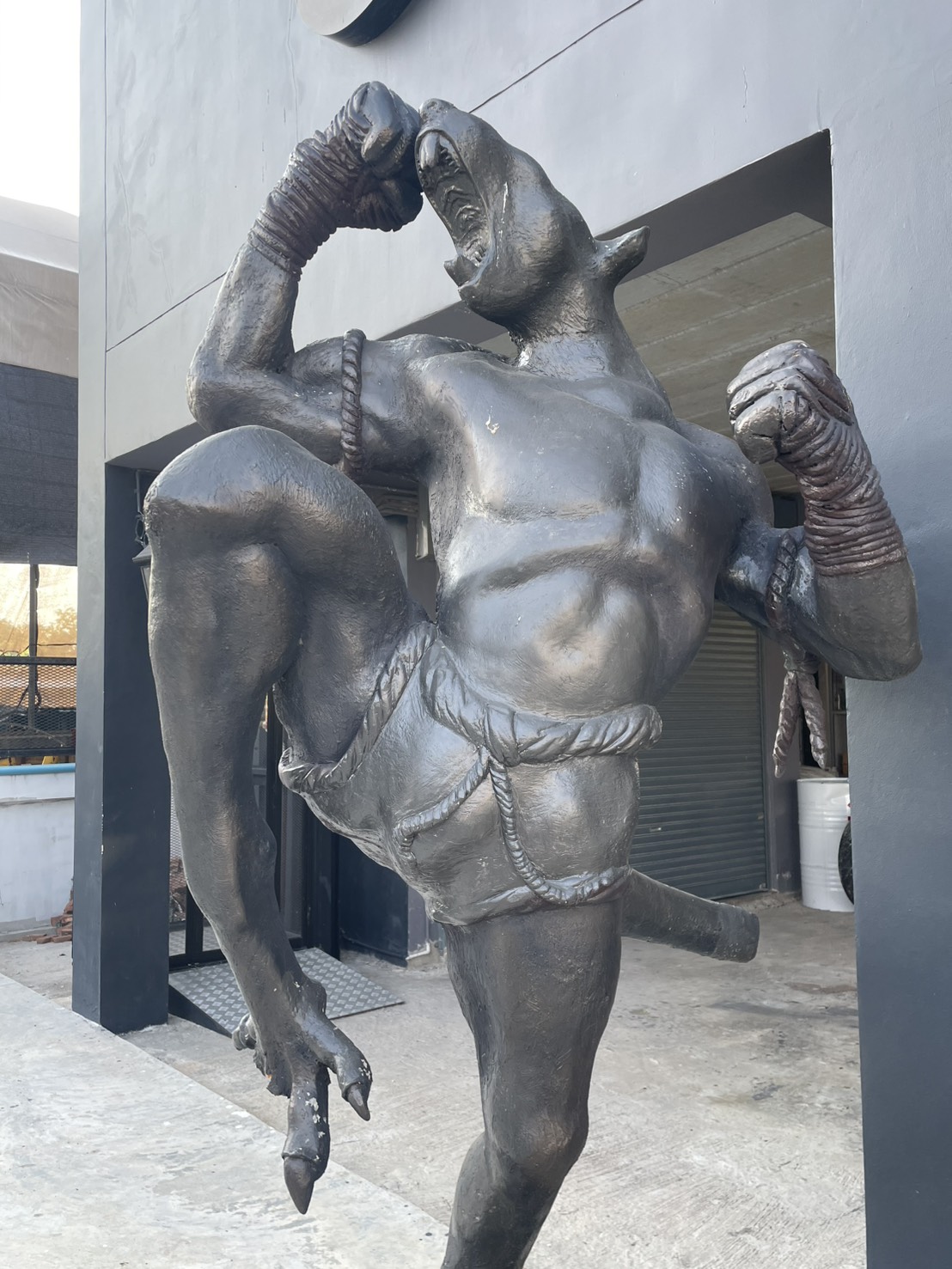
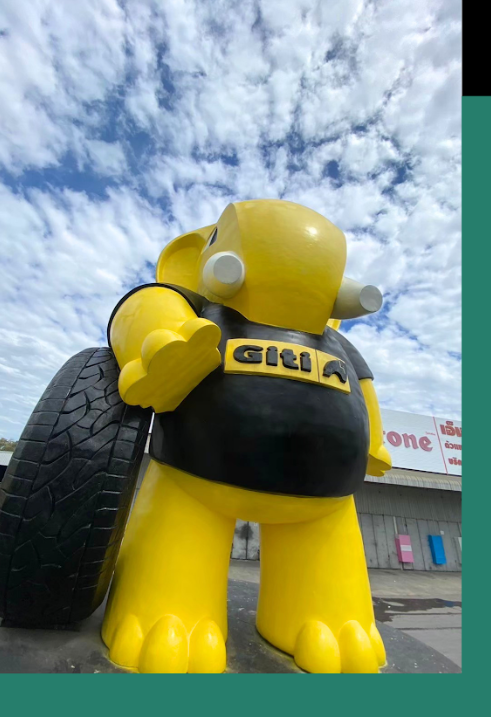
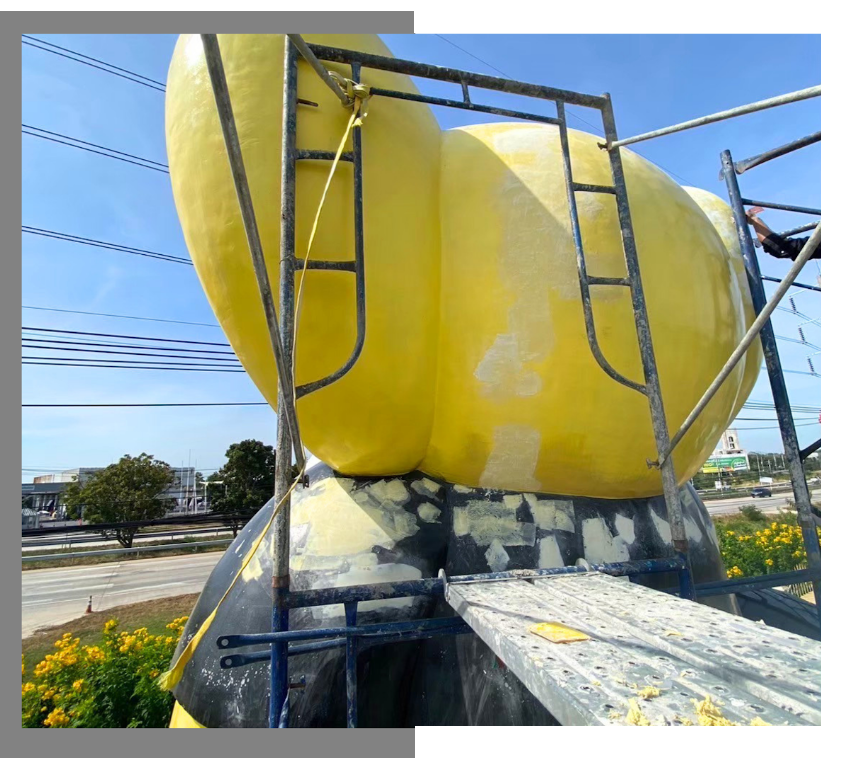
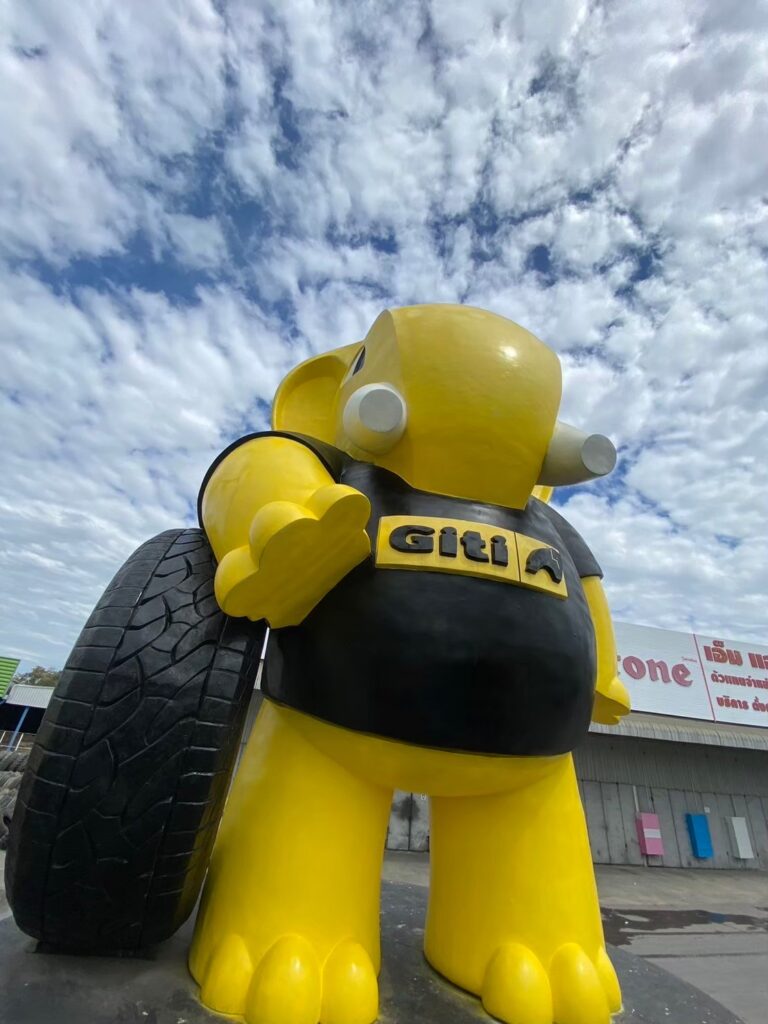
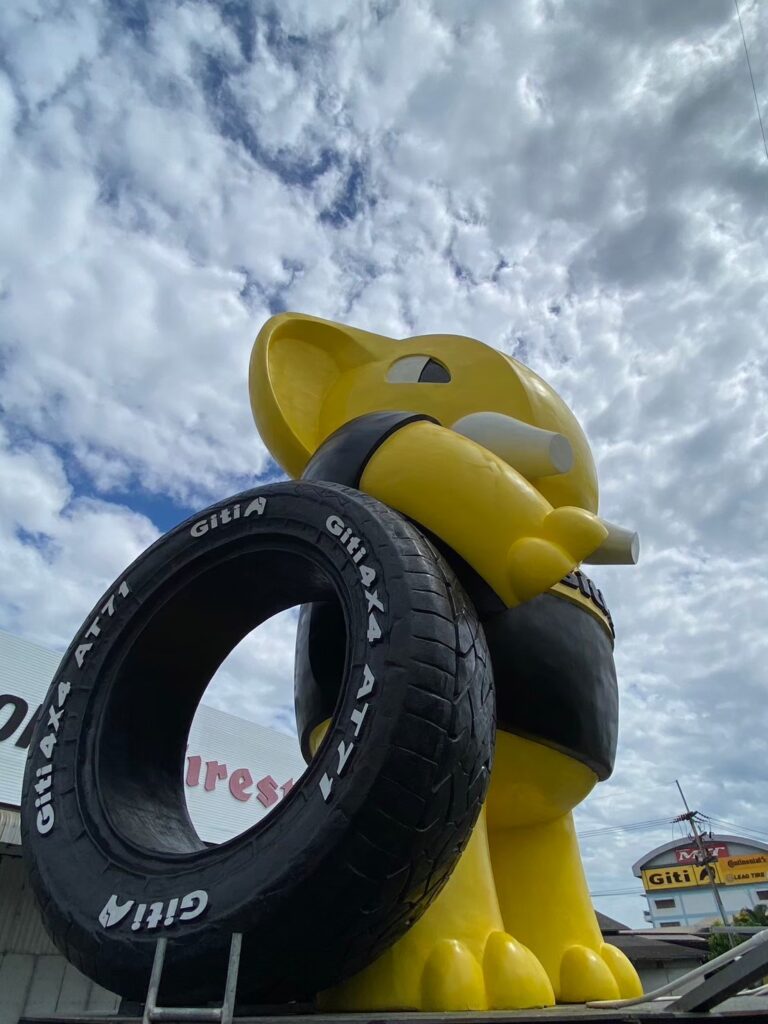
This was demonstrated in our work with Giti Tire in Rayong, where our team was responsible not only for the original fabrication of a large outdoor mascot sculpture, but also for its restoration after years of outdoor exposure.
The sculpture was originally designed and fabricated using a foam core with resin coating, selected to meet the project’s timeline, scale, and budget at the time.
Installed in an outdoor environment, the piece was exposed to continuous sunlight, humidity, and changing weather conditions over an extended period.
Condition Over Time
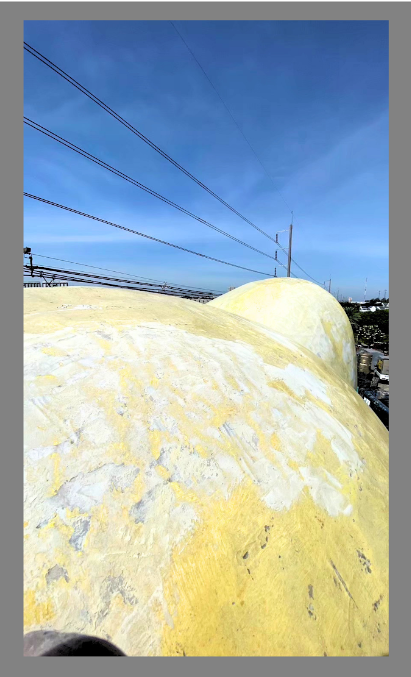
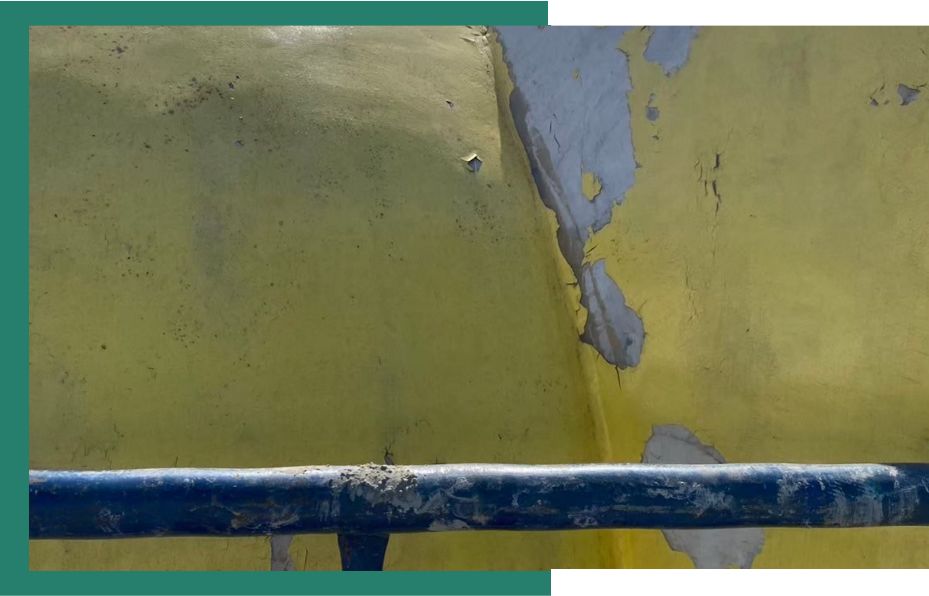
After several years of use, natural wear became visible:
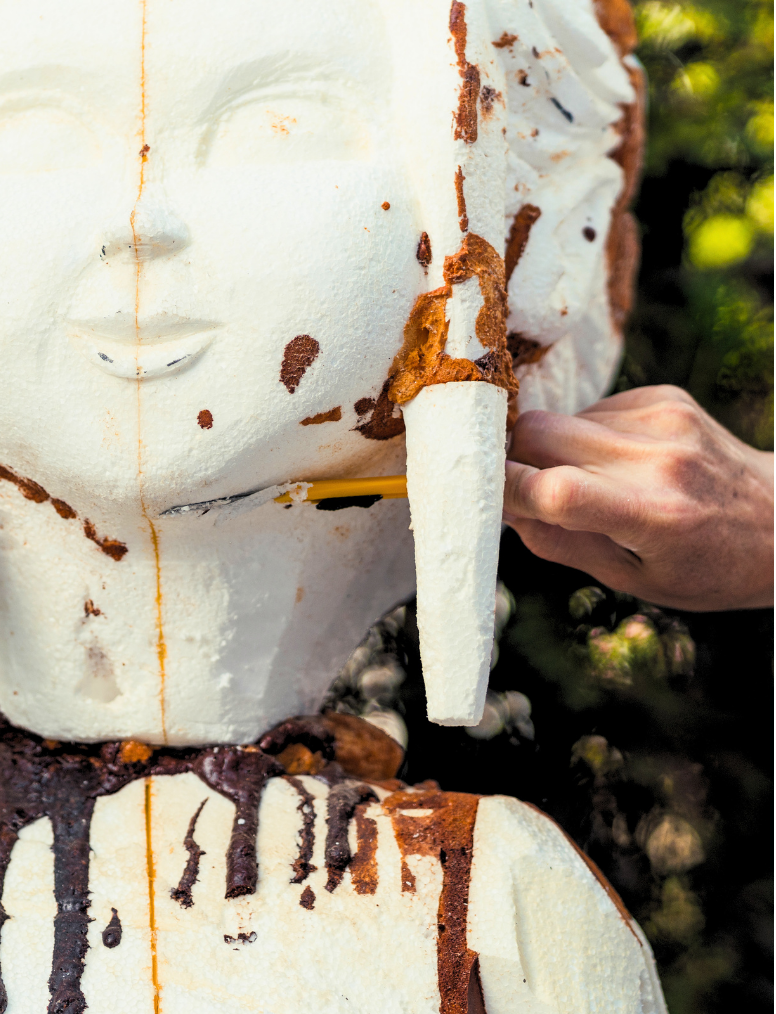
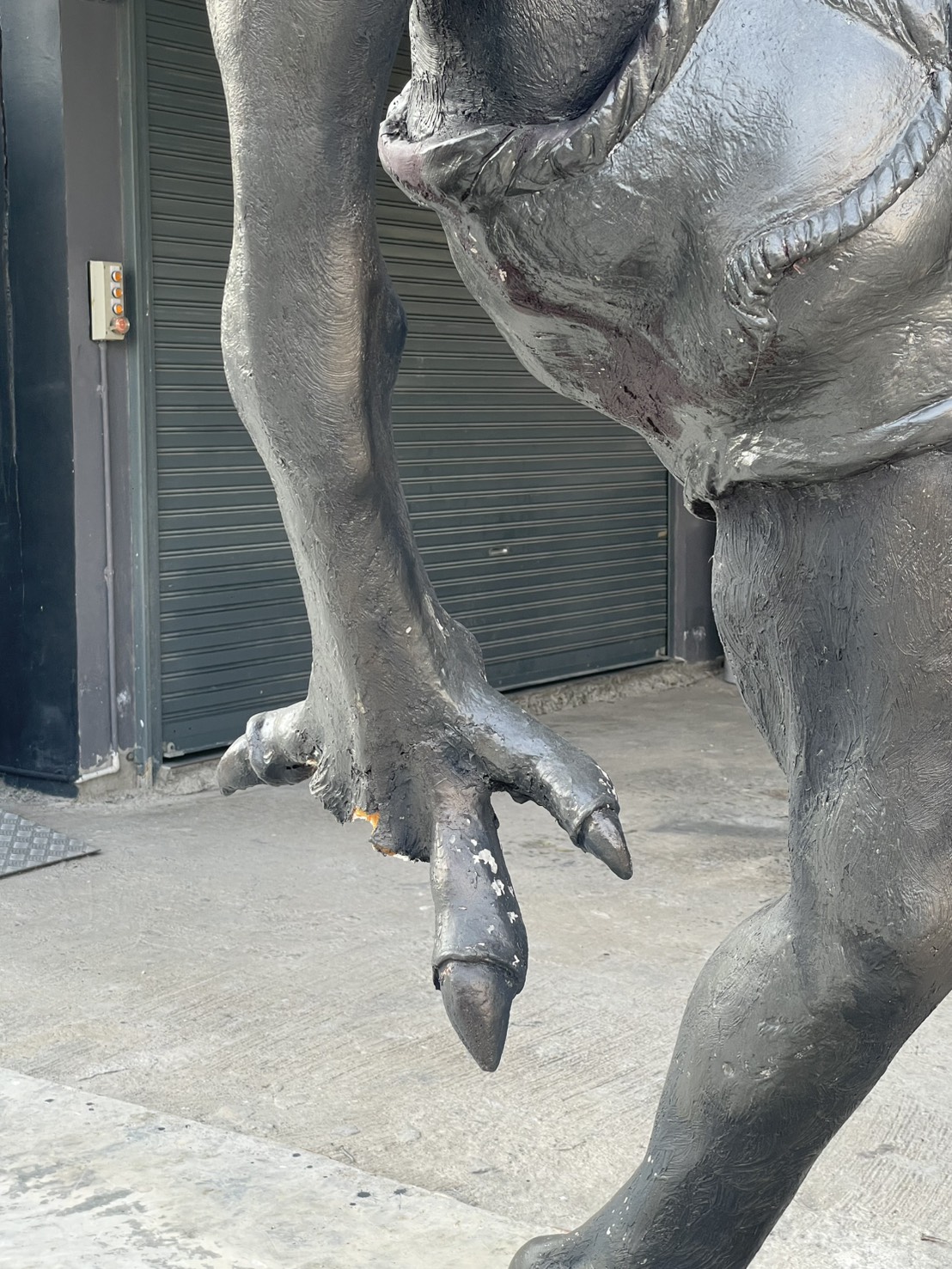
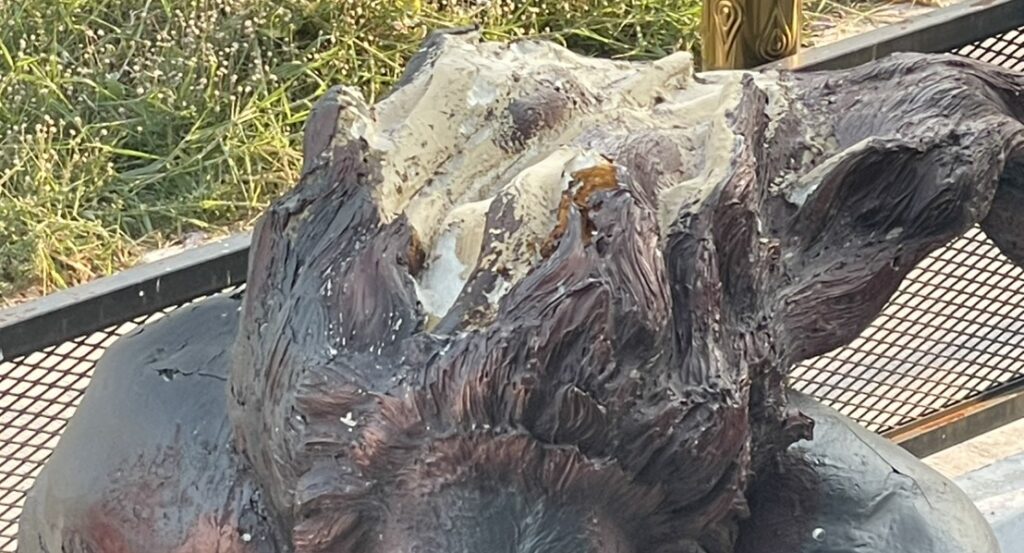
Paint peeling and surface cracking
Degradation of the coating layer
Reduced adhesion across surface finishes
General weathering from prolonged exposure These conditions are consistent with foam-based structures used in outdoor environments over time.
Our Role in Restoration
As the original fabricator, we were able to approach the restoration with a deep understanding of the structure and materials used. The restoration process included:
Removal of deteriorated surface layers
Surface correction and refinement
Structural touch-ups where required
Reapplication of coatings and protective finishes The result was a renewed appearance and extended usability of the sculpture.
Every material performs differently over time—and planning for that lifecycle is part of the design process.
At Object Nine, we not only create installations—we also support our clients in maintaining and extending the life of their work. Whether through restoration, upgrades, or material consultation, our goal is to ensure that each project continues to deliver value well beyond its initial installation.
“The best material is not the cheapest one, but the one that delivers value over time.”
At Object Nine, we view material selection as more than a cost consideration—it is a strategic decision that must align with the project’s purpose, environment, and expected lifespan.
Whether for temporary installations that prioritize speed, or long-term developments that demand durability and a premium finish, the chosen material should perform appropriately within its intended context.
With our experience, we focus on delivering solutions that balance efficiency and quality—ensuring that each piece not only meets immediate requirements, but continues to uphold its standard and visual integrity over time.
“The material decisions made today define the quality of the work tomorrow.”
Foam with resin coating is an effective solution for short-term applications where speed,flexibility, and cost control are key priorities—particularly in event-based or temporary installations.
However, for projects that require long-term durability and a refined, premium presentation, material selection should be guided by long-term performance rather than initial cost alone.
Choosing the right material from the outset not only minimizes future maintenance and replacement costs, but also elevates the overall quality and longevity of the work.
Ultimately, true value is not measured by the lowest upfront cost, but by how well a material sustains its performance, appearance, and integrity over time.
Let’s Collaborate We look forward to the opportunity to collaborate and create something exceptional with you. Tel (Sales): (+66) 092-826-1798 E-mail: Mail@ObjectNine.co.th For international clients: Hello@MerryWeekend.com
Stay Connected Follow Object Nine for more work and inspiration: Facebook | Instagram | TikTok
*All images in this blog post are the intellectual property of Object Nine. Any reproduction, distribution, or use without written permission is strictly prohibited.