
Stainless Steel in Sculpture: Why It’s the Artist’s Top Choiceing
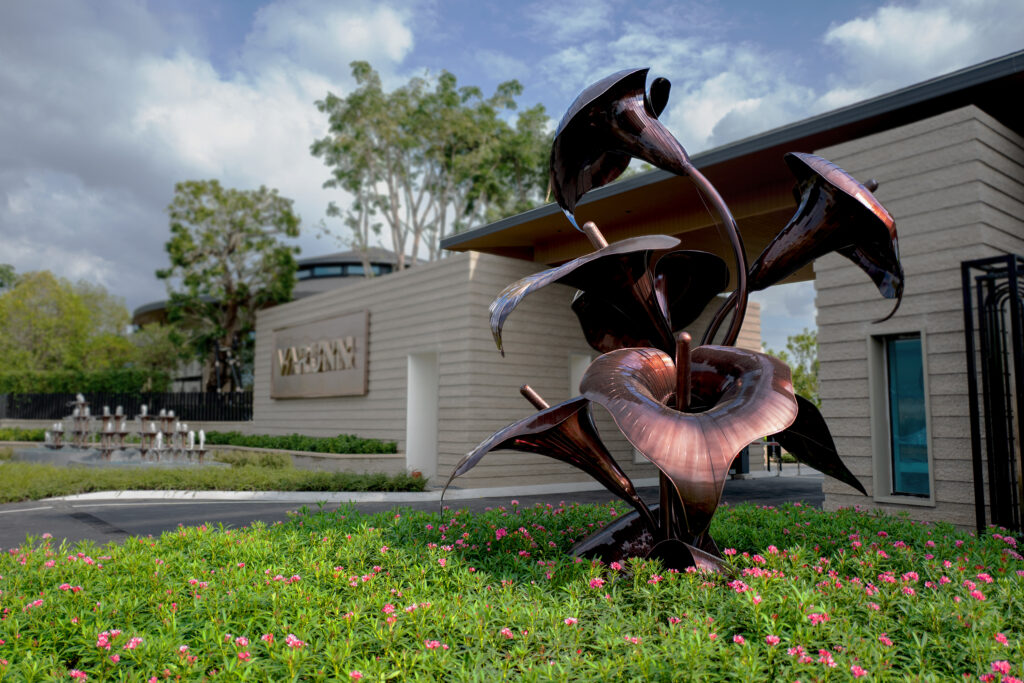
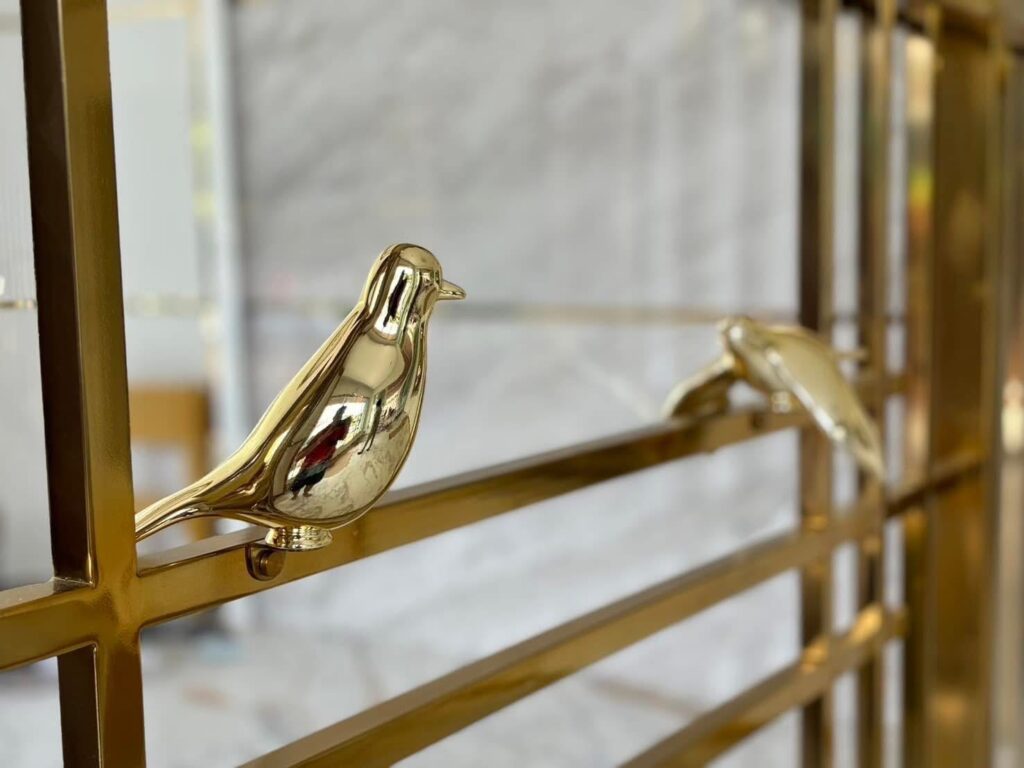
What is Stainless Steel? The “Self-Healing” Metal
Stainless steel is an alloy steel containing at least 10.5% Chromium. This specific element is the “magic ingredient.” When chromium reacts with oxygen in the air, it creates an invisible, ultra-thin layer called “Chromium Oxide Film.” This film acts as a shield against corrosion. What’s even more impressive? It can “self-heal.” If the surface is scratched, the film regenerates itself instantly, making stainless steel incredibly resistant to rust and harsh weather—the perfect candidate for outdoor art.
The Chemistry of Strength
To achieve the perfect balance of beauty and durability, stainless steel combines several key elements:
Chromium (Cr): The primary defender against rust and corrosion.
Nickel (Ni): Enhances toughness and flexibility, allowing artists to bend and mold the metal into complex shapes.
Molybdenum (Mo): Boosts resistance to chloride—essential for sculptures located near the ocean or in salty environments.
Carbon (C): Adds strength to the structure, though it must be precisely balanced to maintain corrosion resistance.
4 Reasons Why Artists Love Stainless Steel
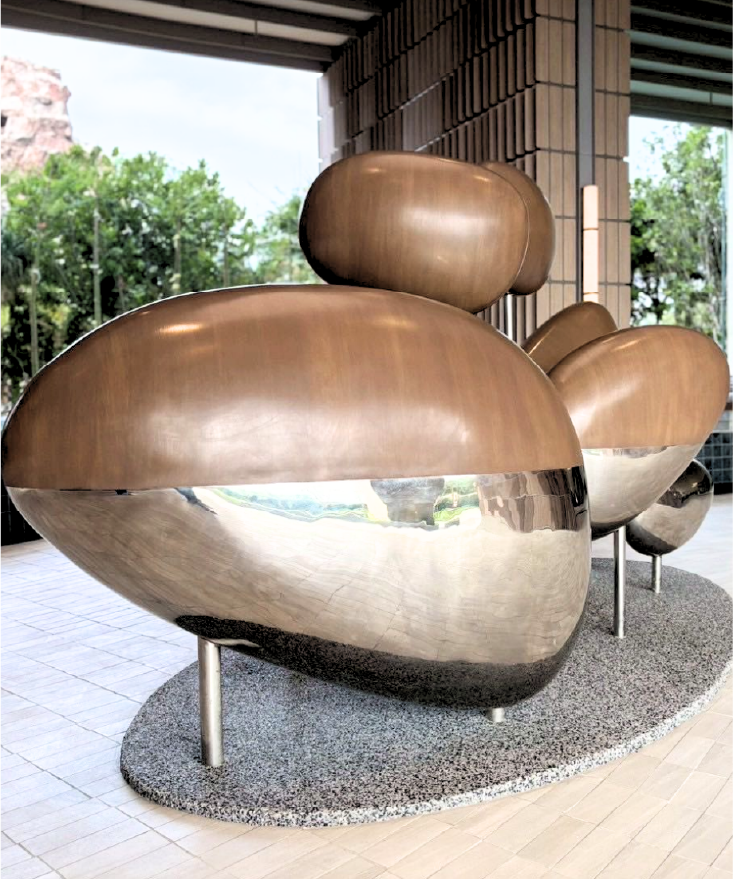
Why do world-class sculptors choose stainless steel over stone or bronze? Here are the top four reasons:
Extreme Weather Resistance: It is built for the outdoors. Rain, humidity, or intense sunlight won’t degrade the material over time.
Versatile Aesthetics: From a high-shine Mirror finish that reflects the sky to a modern Hairline/Brushed texture or a matte Sandblasted look, the visual possibilities are endless.
High Strength-to-Weight Ratio: It allows for the creation of massive, towering structures without the excessive weight of solid iron, giving artists more freedom in design.
Low Maintenance: Unlike other metals that require frequent repainting or anti-rust coatings, stainless steel is easy to clean and maintains its luster for decades.
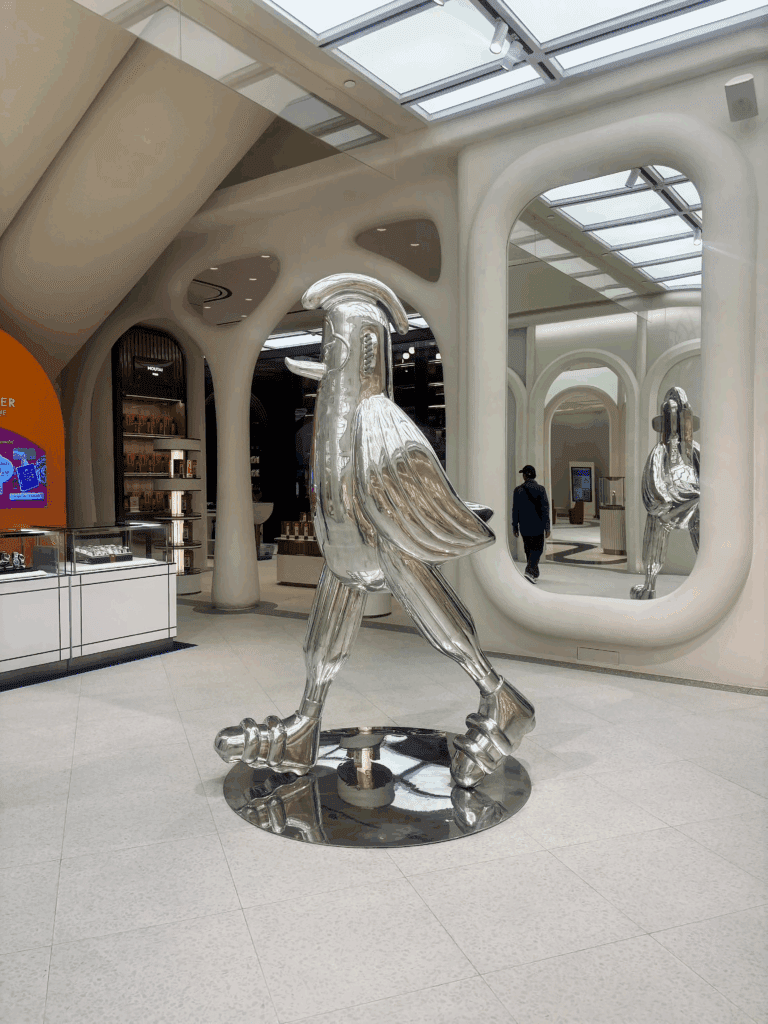
Choosing the Right Grade: Popular Stainless Steel for Sculptures
In the world of art and architecture, “stainless steel” is not a one-size-fits-all material. Selecting the correct grade is a critical decision that balances aesthetics, durability, and budget. Here are the three most common grades used in modern sculpture:
1. Grade 304 – The Industry Standard
Grade 304 is the most widely used stainless steel in the world of art. It belongs to the Austenitic family, known for its versatile properties.
Key Characteristics:
Excellent Corrosion Resistance: Performs reliably in most typical environments.
High Workability: It is easy to bend, cut, and weld, making it a favorite for artists creating complex shapes.
Cost-Effective: Offers a premium look and long-lasting durability without the high price tag of specialized alloys.
Best Suited For: Indoor sculptures or outdoor art located in residential areas, parks, or cities away from the coast and heavy industrial pollution.
2. Grade 316 – The Marine Specialist
When the environment gets tough, artists turn to Grade 316. This grade contains Molybdenum (Mo), which provides an extra layer of protection.
Key Characteristics:
Superior Chloride Resistance: Designed specifically to withstand salt air and harsh chemicals.
Extreme Durability: Prevents “pitting” (small holes) and surface rust in aggressive environments.
Long-Term Value: While the initial cost is higher than 304, it significantly reduces maintenance and restoration costs over decades.
Best Suited For: Sculptures near the ocean, seaside piers, swimming pool areas, fountains, or high-pollution industrial zones.
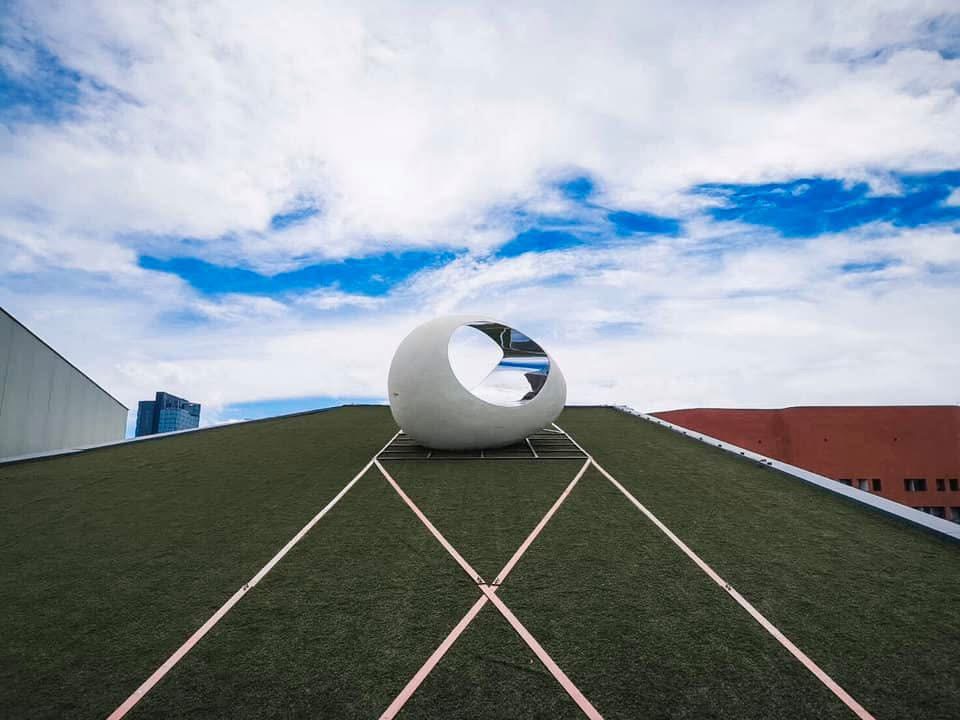
The Role of Thickness in Stainless Steel Sculpture
In the world of sculpture, thickness is more than just a measurement—it is a critical factor that dictates the structure, strength, weight, budget, and overall aesthetic of a masterpiece. Choosing the right gauge can mean the difference between a timeless landmark and a structural failure.
1. Structural Integrity and Strength
Thin Sheets (1–2 mm): Ideal for intricate folding, delicate curves, and detailed textures. However, they offer limited impact resistance.
Thick Plates (3–10 mm+): Best for large-scale installations or load-bearing sections.
The Outdoor Challenge: Large outdoor sculptures must withstand wind loads, vibrations, and foundation stresses. If the material is too thin, it may suffer from deformation or “oil-canning” (visible buckling of the surface).
2. Weight and Supporting Structures
Stainless steel is a dense material (approx. 7.9–8.0 kg/L).
Increased Thickness = Increased Weight: This requires a more robust internal skeleton and foundation.
Logistics: Heavier pieces lead to higher shipping, crane, and installation costs.
The Smart Approach: Many artists use a “Thin Skin + Internal Frame” technique to maintain a grand appearance while keeping the overall weight manageable.
3. Aesthetics and Surface Quality
Graceful vs. Powerful: Thin sheets allow for fluid, elegant curves, while thick plates convey a sense of stability, permanence, and raw power.
The Mirror Effect: Be careful with Mirror Finishes on thin sheets; without a perfectly rigid internal structure, the reflection can become distorted or “warped,” ruining the visual impact.
4. The Fabrication Process
The thickness of the metal directly affects the welding and shaping techniques used:
Welding Methods (TIG/MIG): Thicker plates require higher current and careful heat management to prevent warping.
Precision Handling: When working with thin sheets, fabricators must be extremely skilled to avoid “burn-through” or heat deformation that can scar the surface.
Essential Factors Beyond Grade and Thickness
To create a truly impactful sculpture, an artist must look beyond the chemical composition and consider how the piece will live and breathe in its environment.
1. The Art of Surface Finishes
The finish is the “face” of your sculpture. It dictates how the artwork interacts with light and the viewer:
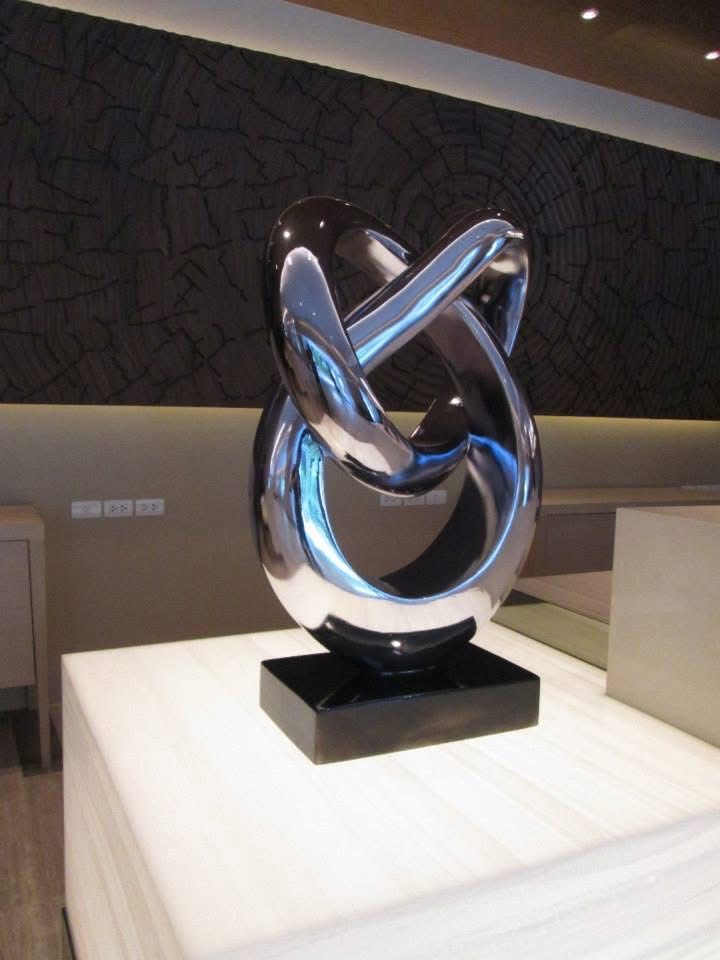
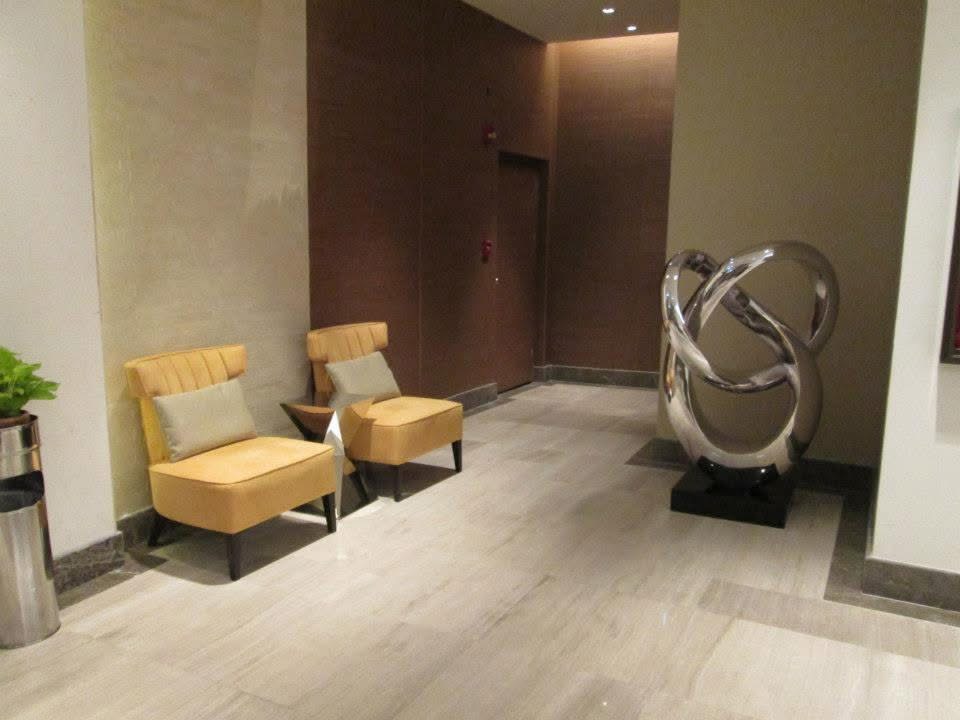
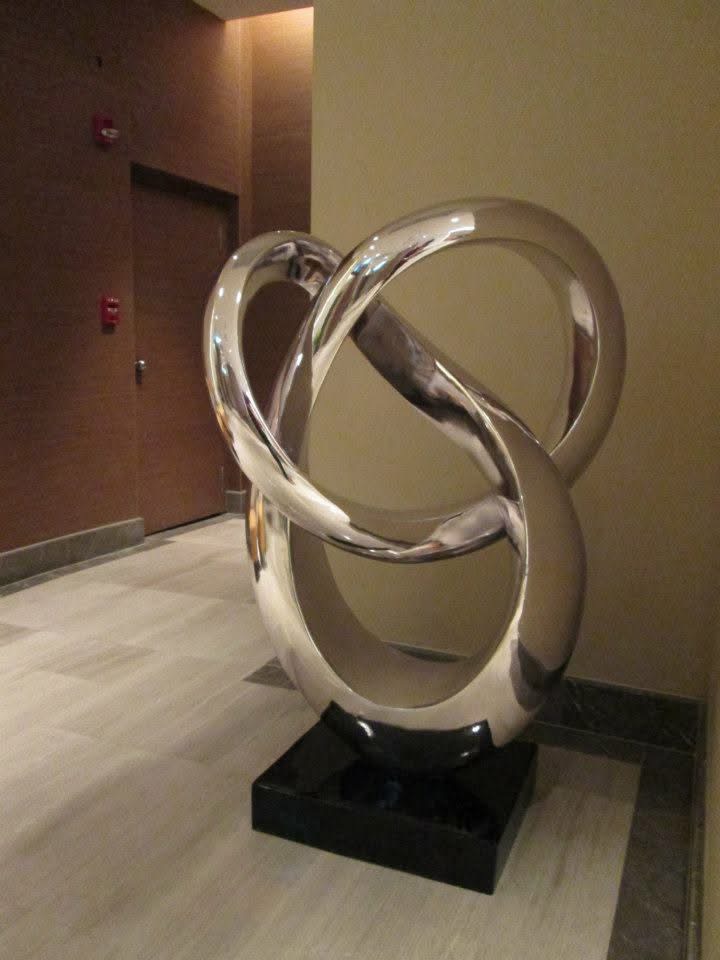
Mirror Finish: A high-shine, reflective surface that mirrors the surroundings. It creates a dynamic interaction, making the audience and the sky part of the art itself.
Hairline (Brushed) Finish: Featuring fine, continuous lines, this finish offers a sleek, modern, and sophisticated look that is excellent at hiding minor scratches.
Sandblasted Finish: A matte, textured surface that diffuses light. It is perfect for reducing glare and emphasizing the sculpture’s pure form and volume.
2. Maintenance: “Rust-Resistant” is Not “Stain-Proof”
A common misconception is that stainless steel requires zero care. In certain conditions—especially near salt water or heavy pollution—stainless steel can develop “Tea Staining” (brown surface discoloration). Regular cleaning is vital to preserve its luster and ensure the protective layer remains healthy.
3. Life Cycle Cost (LCC)
While budget is always a factor, the cheapest material often becomes the most expensive over time. Choosing a higher grade (like 316) may have a higher upfront cost, but it significantly reduces the expenses of future repairs, specialized cleaning, and restoration.
Conclusion: A Masterpiece Built to Last
Selecting the right type and thickness of stainless steel is not merely a technical choice—it is a strategic decision that directly impacts the aesthetics, structural integrity, longevity, and safety of the sculpture.
To ensure your artistic vision stands the test of time, remember these principles:
Match the grade to the environment to prevent premature corrosion.
Balance thickness with scale to handle wind loads and physical stress.
Consider the internal structure for large-scale stability.
Evaluate long-term value, looking beyond the initial material price.
In the realm of contemporary art, stainless steel is more than just an industrial metal; it is a powerful medium that reflects light, shadows, and the very essence of its surroundings. By blending engineering precision with artistic vision, you can create a masterpiece that remains both beautiful and sustainable for generations to come.