Sculpture is one of the branches of visual art with a long history, dating from prehistoric times to the contemporary era. Generally, sculpture has been perceived as an art form created primarily for aesthetic appreciation, conceptual expression, or the enjoyment of beauty—such as statues and cast figures. However, as human society has evolved, perceptions of the role of art have also changed. In the modern era, sculpture is no longer limited to being an object solely for visual contemplation; it can also integrate functional purposes with artistic beauty in a harmonious way. This integration has given rise to what is known as functional sculpture.
Functional sculpture refers to three-dimensional artworks designed for practical use in everyday life, such as seating, sinks, tables, furniture, or architectural elements, while still preserving artistic value, creativity, and the unique identity of the artist. This type of work reflects the idea that art does not need to be separated from daily life, but can instead become an integral and seamless part of how we live.
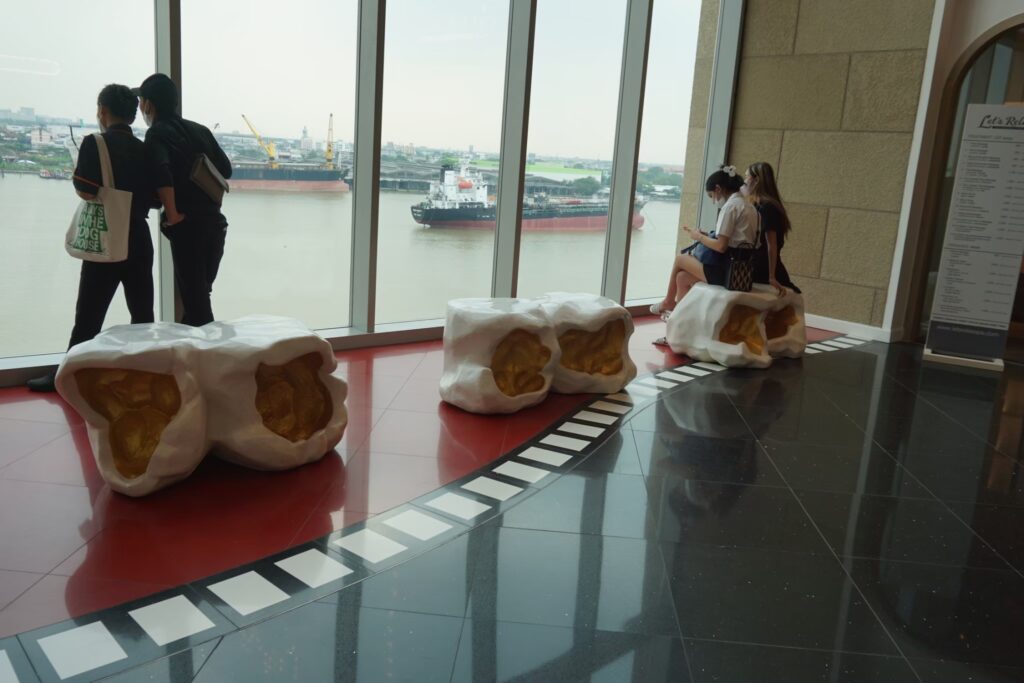
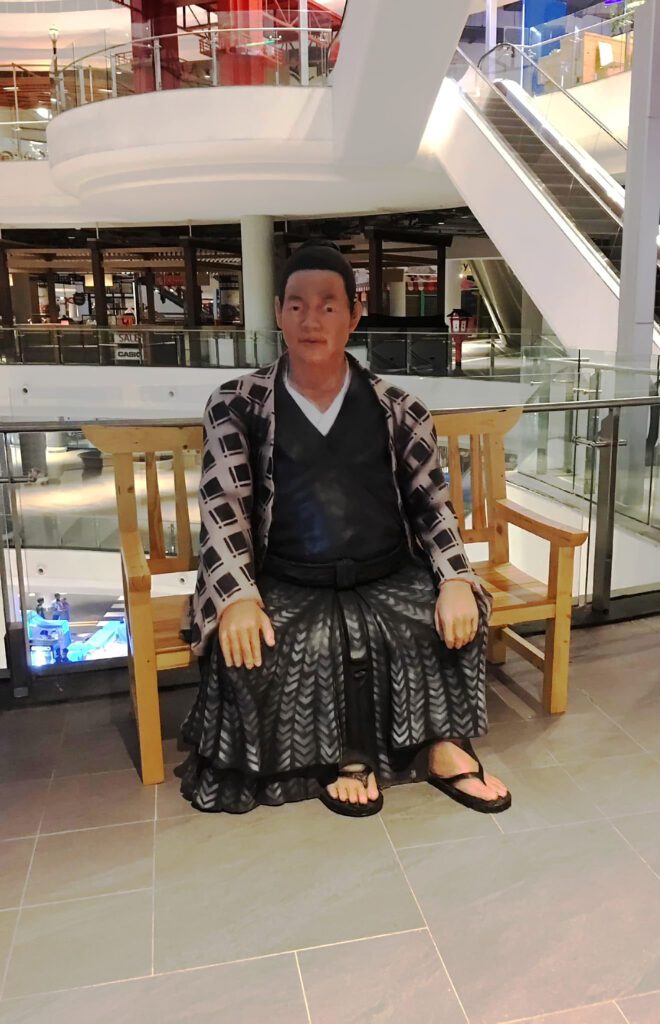
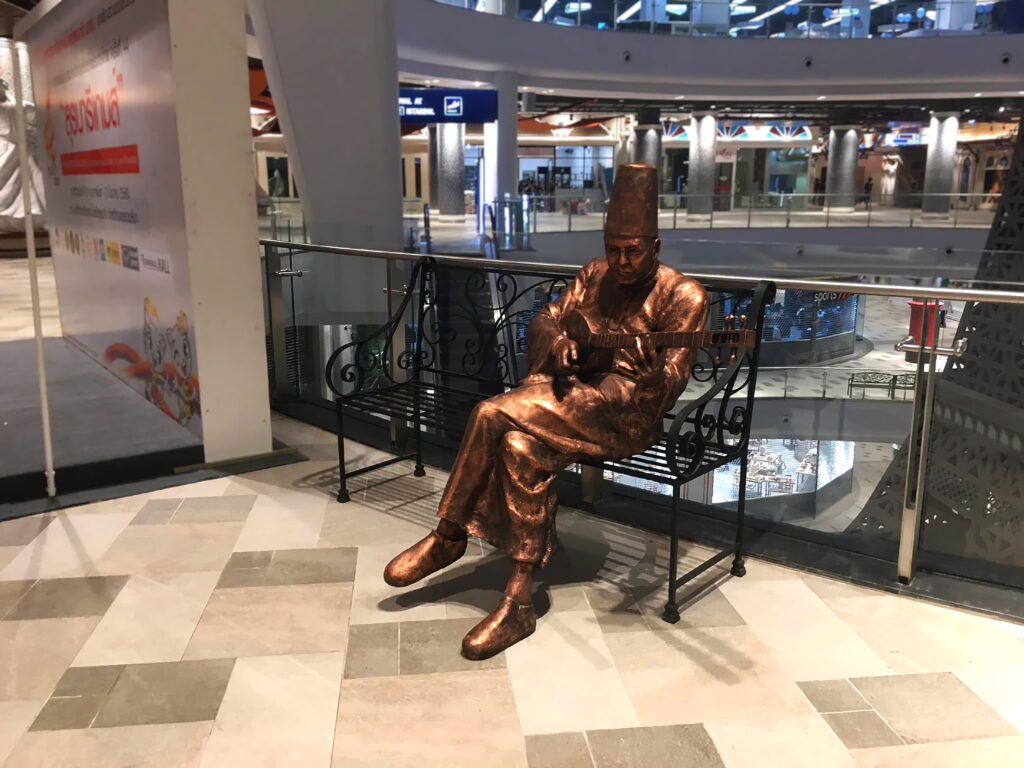
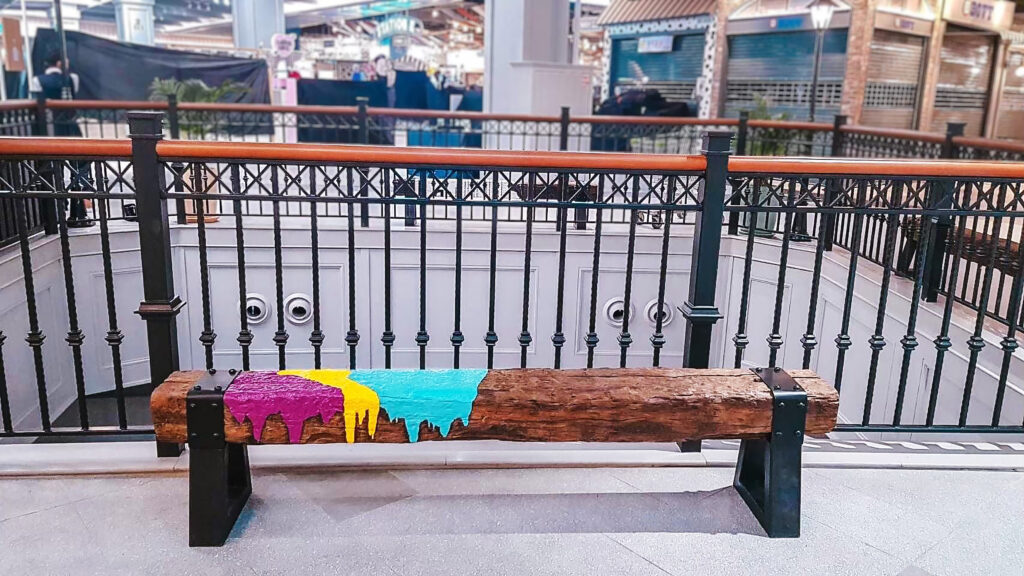
One clear example of functional sculpture is seating that serves as a sculptural form, commonly found in public spaces such as parks, museums, plazas, or even inside buildings. Designers shape these seats as sculptural objects, which may take abstract forms or be inspired by natural elements such as stones, waves, or animals. Users can comfortably sit and rest while simultaneously experiencing art. These sculptural seats not only provide physical support but also help create atmosphere, establish focal points within a space, and encourage direct interaction between people and the artwork.
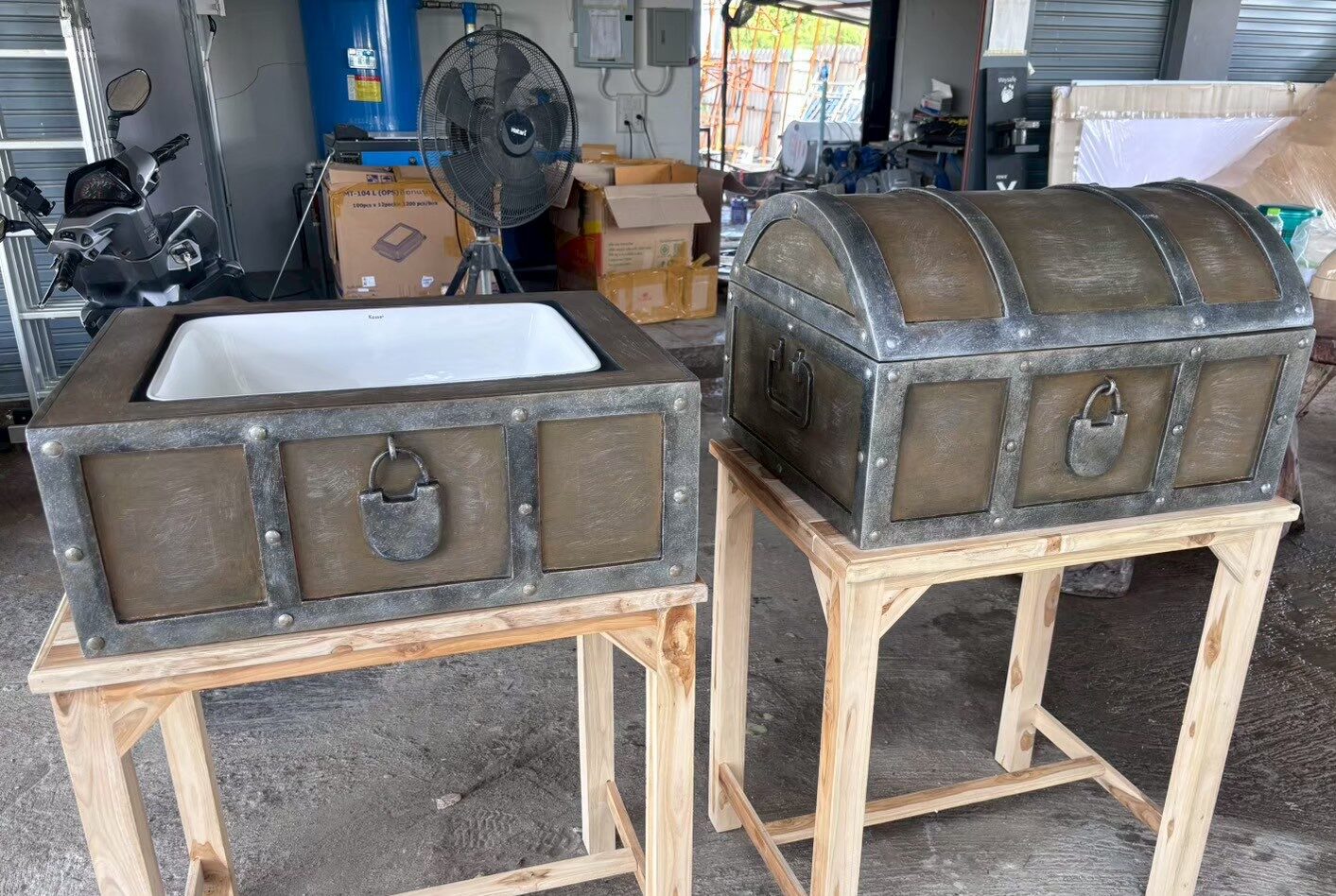
Another interesting example of functional sculpture is sculptural works that serve as washbasins or sanitary fixtures, commonly found in contemporary interior design—particularly in shopping malls, hotels, restaurants, or private residences that emphasize a strong sense of identity. Washbasins designed as sculptural forms may feature unconventional shapes and employ a wide range of materials, such as fiberglass, synthetic stone, metal, or ceramic. Designers carefully consider not only aesthetics, form, and surface texture, but also practical aspects of use, including ease of handwashing, water drainage, and structural durability. This type of work transforms ordinary everyday activities into memorable artistic experiences.
n addition, there are functional sculptures that take the form of furniture, such as tables, chairs, shelving units, or lamps, existing at the intersection of art, design, and craftsmanship. This type of furniture is often produced in limited editions or as one-of-a-kind pieces, allowing designers to express their ideas, emotions, and personal identity through form and material. At the same time, users engage with objects that possess artistic value, rather than merely utilitarian items.
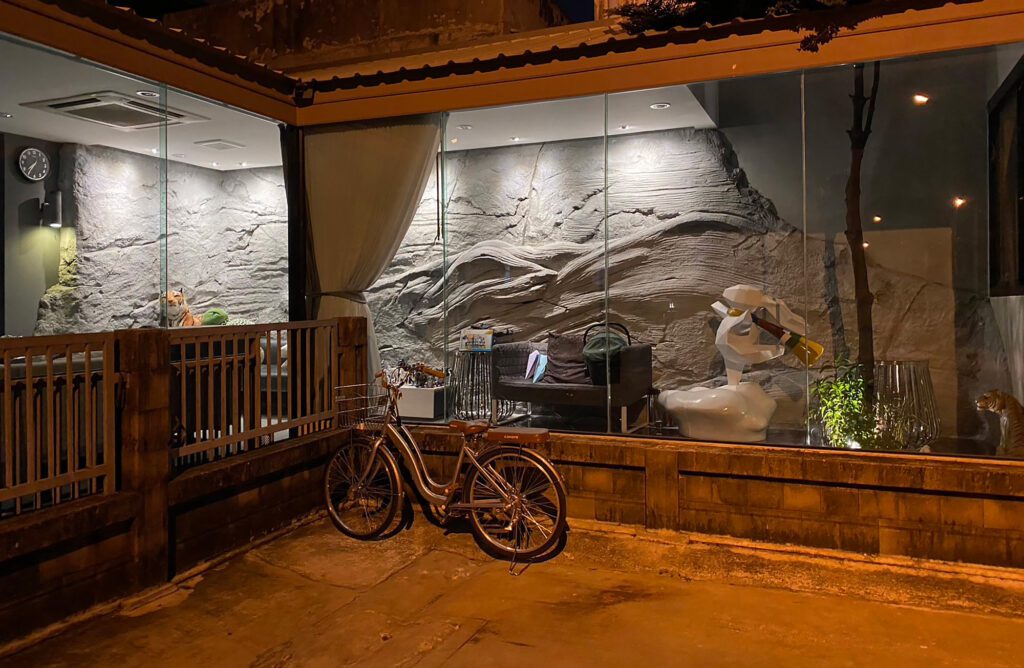
Functional sculpture can also be found in landscape architecture and architectural design, such as walls, doors, railings, fountains, or outdoor seating areas that are designed as sculptural forms while serving practical functions. These works help integrate art into the environment, enhancing the distinct identity of a space and enriching its cultural value.
The core concept of functional sculpture lies in “blurring the boundary between art and everyday life,” making art more accessible to people. It no longer needs to exist solely in museums or galleries, but can be encountered and experienced through daily use. This approach also shifts people’s perception of art—from something meant only to be looked at, to something meant to be used and felt.
“The work by Object Nine installed in the restroom at Terminal 21 Asok appears like a treasure chest when closed, but once opened, it instantly transforms into a washbasin and a mirror.”
In terms of value, functional sculpture encompasses artistic, social, and psychological dimensions. Users tend to develop a closer connection with the artwork, become more aware of beauty in everyday life, and may ultimately gain a deeper appreciation for the importance of design and creativity within society.
In conclusion, functional sculpture that serves practical purposes stands as a clear example of how art has evolved in harmony with contemporary human lifestyles. These works demonstrate that art does not have to be distant or prohibitively expensive, but can instead become an accessible, useful, and meaningful part of everyday life—for both creators and users alike.
*All images in this blog post are the property of Object Nine. They may not be copied, reproduced, or used in any form without prior written permission from Object Nine.