
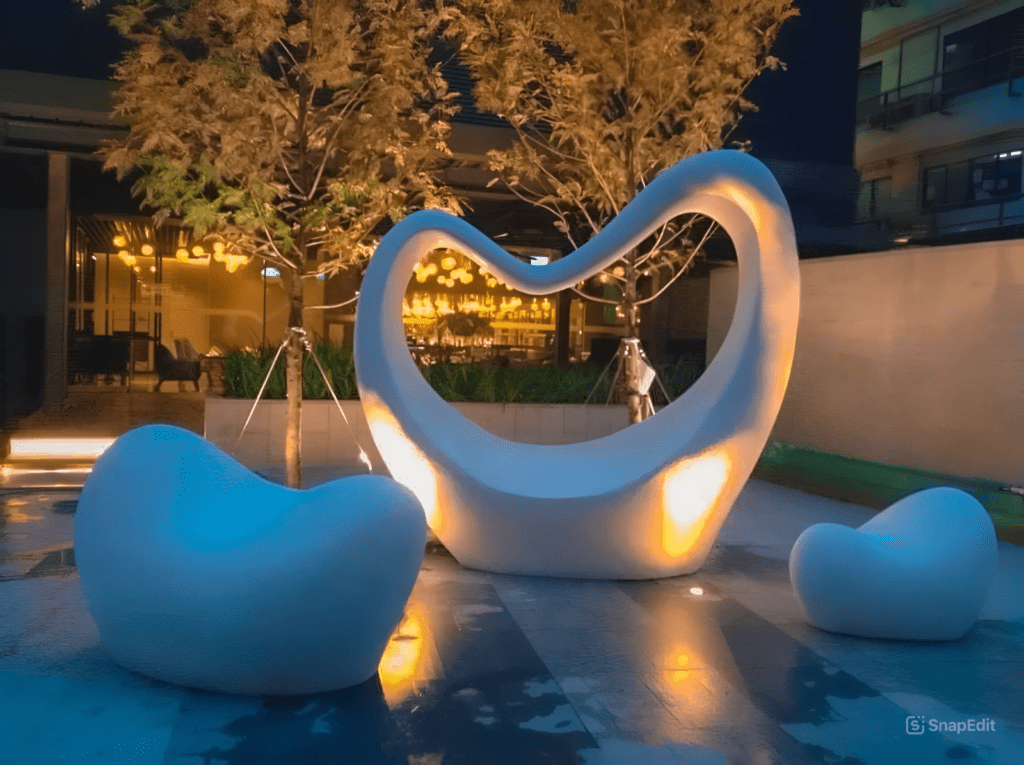
Sculptural Beauty Enhanced by Intentional Lighting
Sculpture is a uniquely captivating art form. Characterized by its multi-dimensional nature, a sculpture reveals itself through form, texture, scale, and the surrounding space. Unlike two-dimensional art, which is experienced from a single flat plane, sculpture invites viewers to walk around it, discovering distinct details from every angle. It is an art form that creates a seamless, shared experience between the artwork, the space, and the observer.
However, no matter how meticulously a sculpture is designed and crafted, its full potential may never be realized without proper lighting. Light does not merely illuminate; it is a vital element that adds depth, accentuates details, sets the mood, and captivates the viewer’s eye. Therefore, lighting design should be considered an integral part of the sculptural creation itself—one that should never be overlooked.
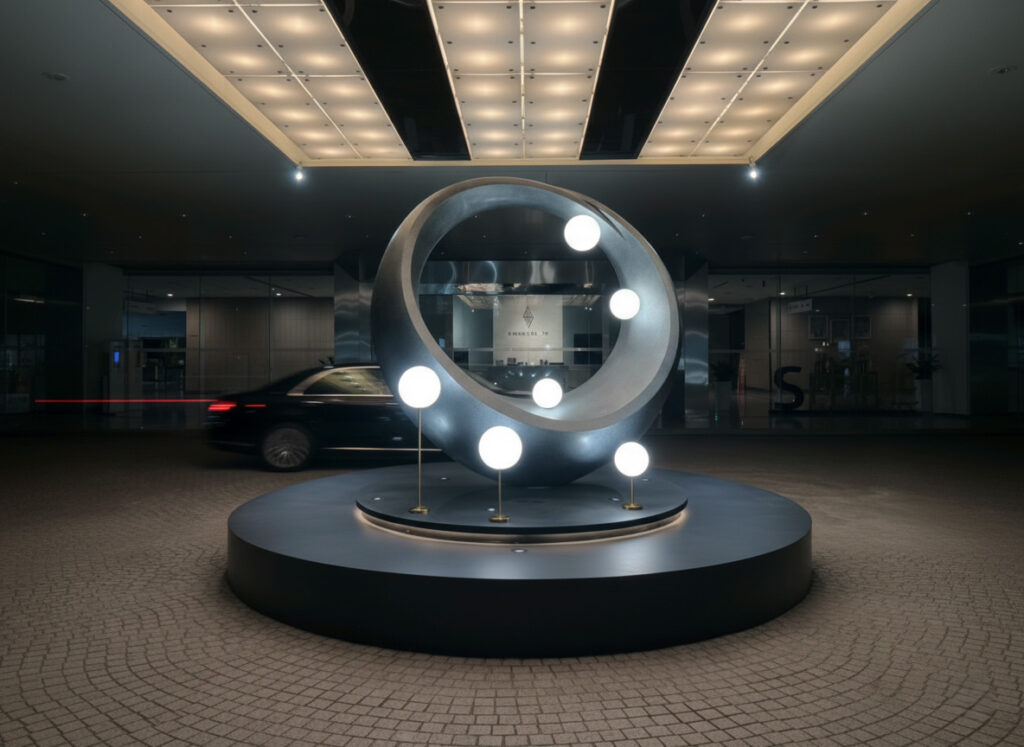
Light and the Dimension of Sculpture
The true heart of any sculpture lies in its “dimension”—the curves, contours, depths, and varied textures. Our perception of these dimensions relies entirely on the interplay between light and shadow. Without appropriate lighting, a beautifully detailed surface can appear flat, lifeless, and unable to fully communicate the artist’s vision.
With professional lighting design, light strikes the sculpture’s surface at precise angles, casting shadows that emphasize subtle details—whether it is intricate carvings, patterns, the rawness or smoothness of the material, or complex silhouettes. This allows viewers to experience the true depth of the artwork with absolute clarity.
For instance, a marble sculpture illuminated by directional, grazing light will beautifully reveal its natural veining and delicate chisel marks. On the other hand, a metallic sculpture can leverage light reflections to evoke a sense of luxury, modernity, and dynamic vitality.
Lighting: Creating Focal Points and Captivating the Eye
In expansive exhibition spaces or crowded environments—such as buildings, hotels, shopping malls, museums, public parks, or commercial properties—a sculpture can easily blend into the background. Without intentional lighting to emphasize its presence, the artwork’s prominence diminishes, failing to leave a lasting impression on visitors.
The strategic application of spotlights or accent lighting instantly transforms a sculpture into the focal point of any space. It guides the viewer’s gaze, ensuring the artwork is noticed first before other surrounding elements. This elevated presentation allows the true value of the art to be fully realized. In contemporary architectural design, master planners and designers routinely prioritize lighting alongside sculptural installation because the two disciplines complement each other perfectly. The sculpture establishes the artistic value, while the lighting serves as the vehicle that projects that value directly into the eyes of the audience.
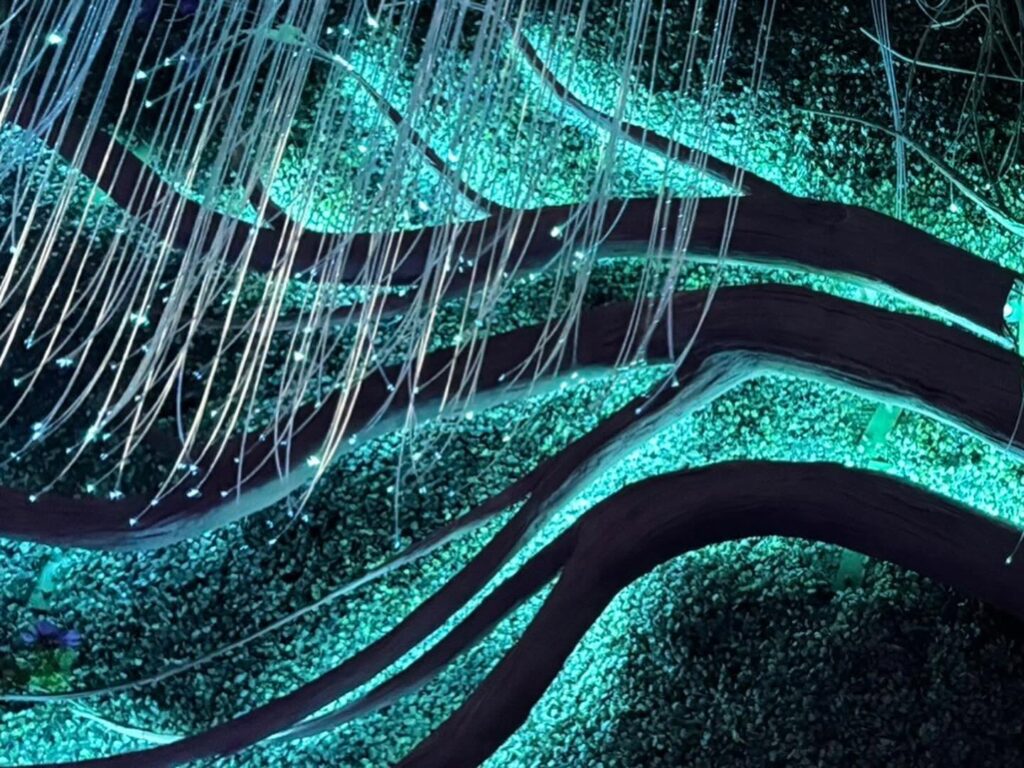
Evoking Emotion and Ambience Through Illumination
Lighting does far more than provide clarity; it possesses the power to evoke deep emotions and shape the overall atmosphere of a space. Warm white light creates a sense of comfort, luxury, and relaxation—perfectly suited for hotels, fine dining restaurants, or lounge areas. Conversely, cool white light delivers a modern, clean, and sophisticated aesthetic, ideal for corporate offices or contemporary art galleries.
Furthermore, manipulating light intensity can dramatically alter the perception and mood of a sculpture. The exact same piece can evoke feelings of elegance, softness, or immense power simply by varying the brightness level, the angle of incidence, and the placement of the fixtures. Today, advancements in LED technology allow designers to dynamically change light colors based on the time of day or program the illumination to align with special festivals and events. This adaptability infuses the sculpture with a living vitality, continuously offering fresh, immersive experiences for the audience.

The Significance of Nighttime Lighting
Many sculptures are intentionally designed to serve as city landmarks or focal points for major destinations. If an artwork relies solely on natural light, its beauty is confined strictly to the daytime. Once night falls, lighting becomes the primary element that ensures the sculpture remains prominent and can be appreciated continuously around the clock.
A well-executed lighting design has the power to transform the atmosphere of an entire area, making spaces more visually stunning, inviting to explore, and significantly safer. Major cities worldwide leverage strategic illumination to highlight sculptures in public parks, town squares, and in front of iconic buildings. This practice not only enhances the city’s civic image but also boosts tourism value and establishes a memorable, distinct identity.
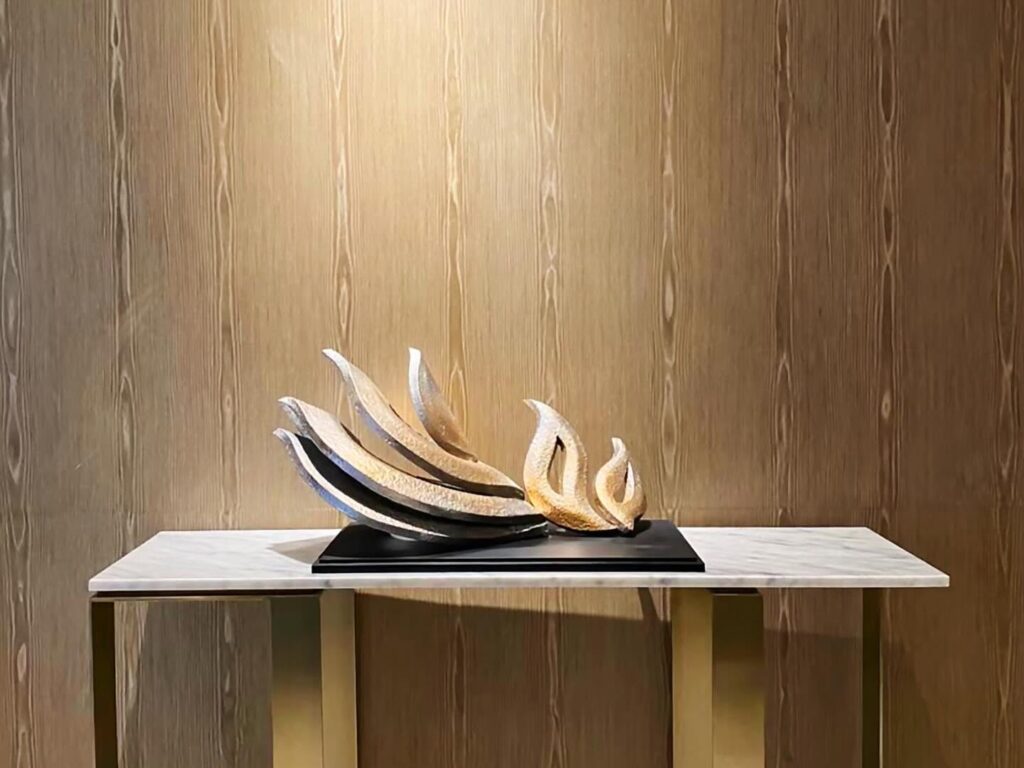
Selecting the Ideal Lighting Fixtures
Choosing the right fixtures for a sculpture requires a careful assessment of multiple factors, including the artwork’s scale, materials, color, surface texture, and installation environment. For smaller, indoor sculptures, a spotlight with a narrow beam angle is often ideal for accentuating specific, intricate details. Conversely, large-scale outdoor installations typically benefit from floodlights that can deliver a broad, uniform wash of light.
For outdoor applications, fixtures must possess high water- and dust-resistance ratings (IP ratings) to ensure maximum durability against adverse weather conditions. Additionally, utilizing energy-efficient LED technology is highly recommended due to its long lifespan and superior Color Rendering Index (CRI). A high CRI ensures that the material’s true colors and the sculpture’s fine details are revealed exactly as the artist intended, appearing completely natural to the viewer’s eye.
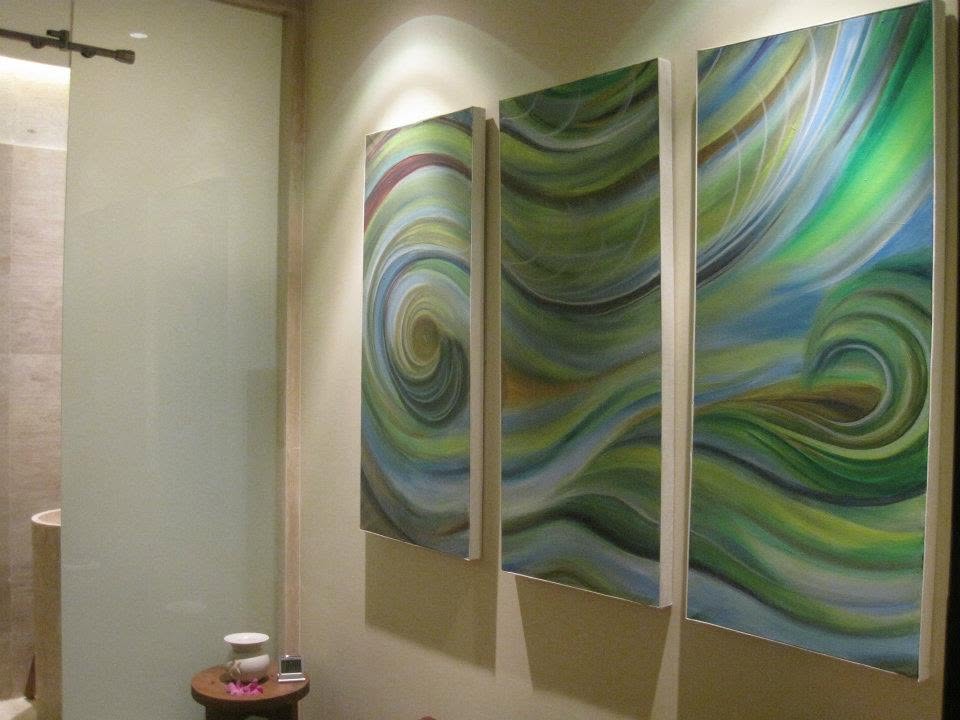
Integrated Design: Uniting Lighting and Sculpture from the Onset
Historically, lighting installation was often treated as an afterthought, implemented only after a sculpture was fully completed. However, contemporary design philosophy dictates that lighting planning must be integrated from the very inception of a project. Lighting designers, architects, landscape architects, and artists must collaborate from the initial stages to determine fixture placement, angles of incidence, brightness levels, electrical routing, and future maintenance. This ensures that every element operates in perfect harmony.
Designing collaboratively from the start effectively mitigates issues such as unwanted shadows, debilitating glare, or over-illuminated hot spots and extreme dark zones. Furthermore, this proactive approach yields significant cost savings by eliminating the need for expensive structural retrofitting later on.
Elevating the Viewer Experience
In the modern era, experiencing art extends far beyond mere observation; it is an immersive journey tied to emotion, perception, and spatial interaction. Strategic lighting can seamlessly guide viewers along a curated path, establishing a rhythm of discovery, evoking elements of surprise, and heightening engagement with the artwork.
Moreover, exceptional lighting design naturally encourages photography—a critical factor in today’s social media-driven landscape. Visually striking photographs shared online can amplify a venue’s reach and visibility exponentially. Destinations that masterfully harmonize sculpture and lighting frequently become premier landmarks, generating substantial added value for projects in terms of brand image, tourism, and economic growth.
Conclusion
Sculpture and lighting are inherently inseparable. If a sculpture represents the physical body, light is the vital spark that brings the artwork to life, allowing its true value to shine. Proper illumination effectively accentuates form, defines dimension, highlights intricate details, evokes mood, commands attention, and elevates the prominence of the piece.
In contemporary design, investing in a sophisticated lighting system is not merely about adding illumination; it is about elevating the intrinsic value of the artwork and its surrounding environment, offering viewers a more complete and profound experience both day and night. Therefore, every project featuring a sculpture must prioritize lighting design alongside artistic creation from day one. When light and art coexist in perfect equilibrium, the masterpiece can communicate its beauty, concept, and emotion at full capacity, leaving an enduring and unforgettable impression on all who behold it.