The Intersection of Industrial Strength and Artistic Expression
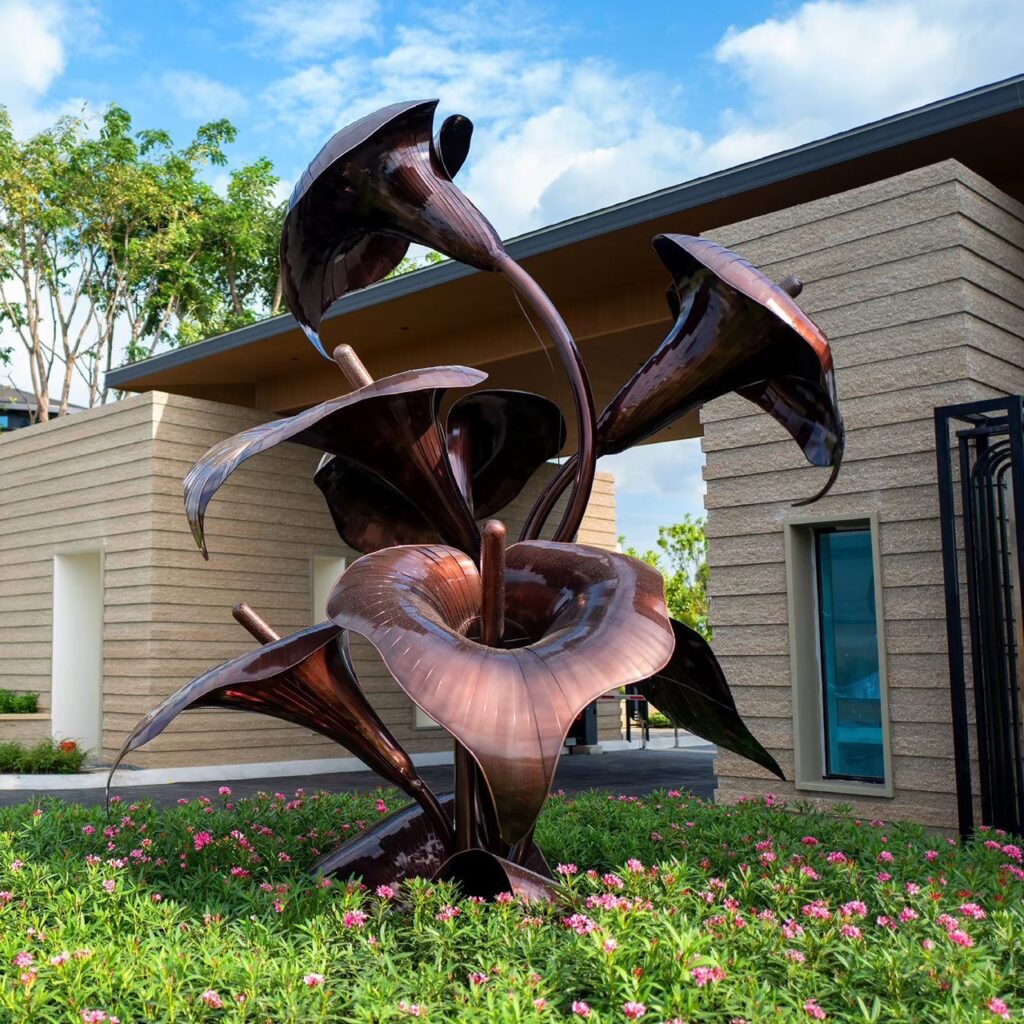
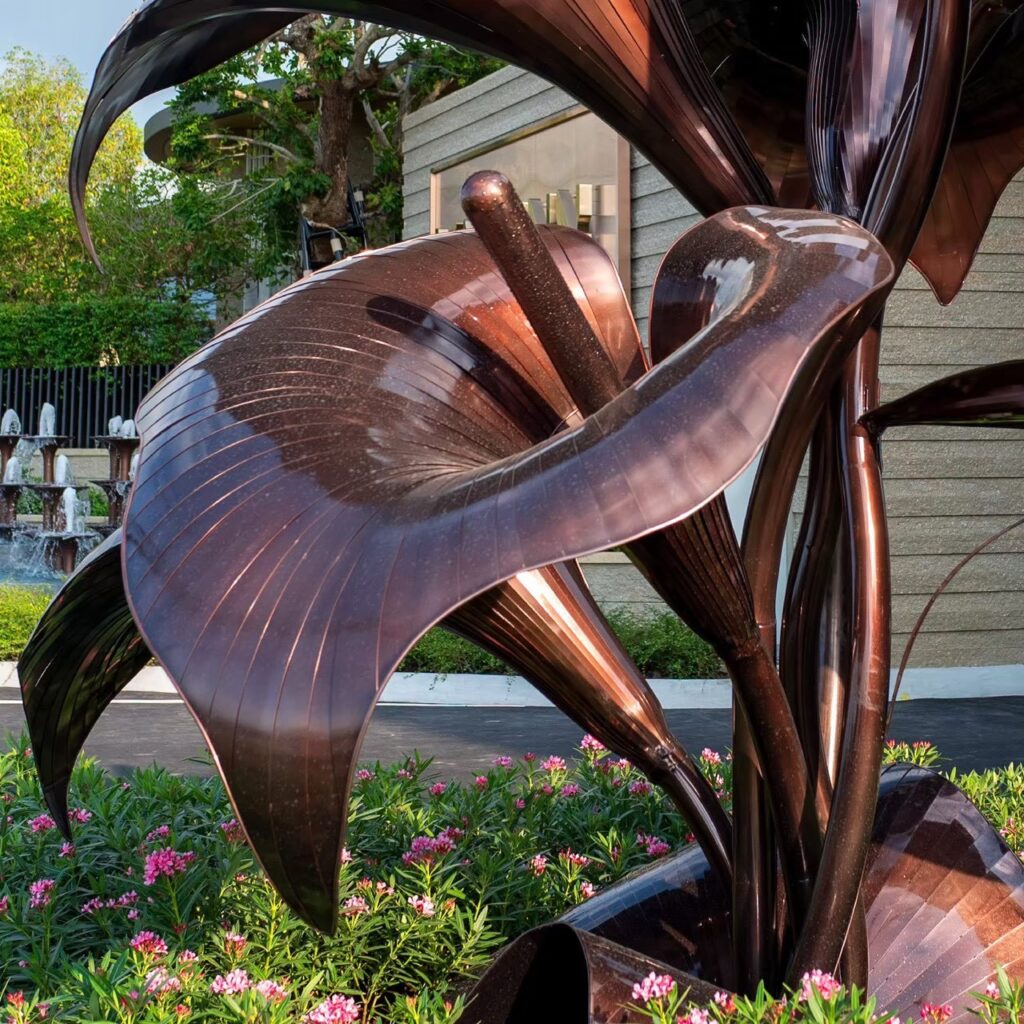
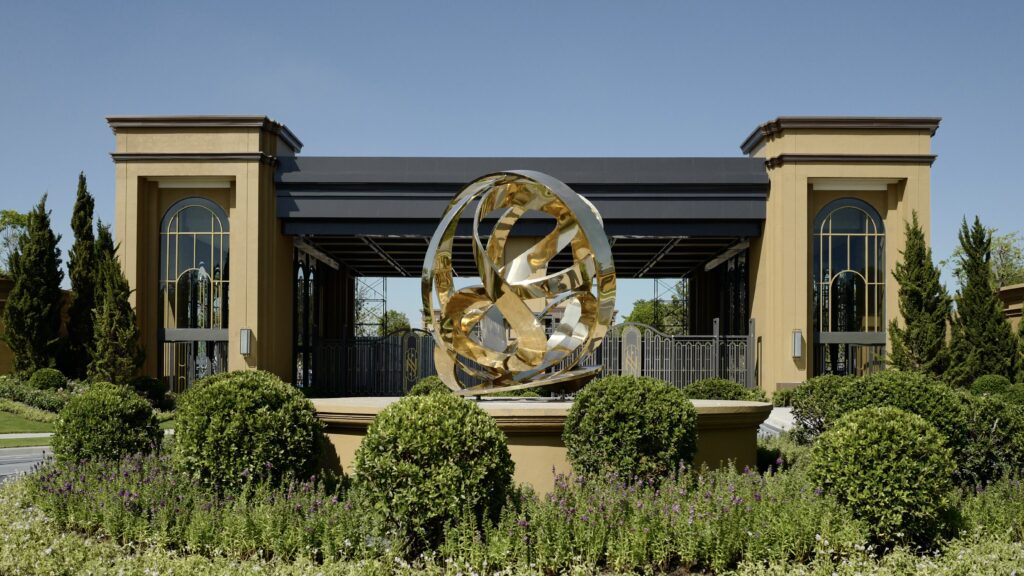
Sculpture is an art form that reflects human thoughts, emotions, and imagination through diverse shapes and materials. Among the most popular mediums in the world of sculpture is “Steel.” Renowned for its exceptional strength and durability, steel offers artists the freedom to manipulate form without limits. From intricate interior decor to monumental outdoor installations, steel has evolved far beyond its industrial roots. It has become a powerful medium for creating contemporary art that is both impactful and uniquely profound.
There are numerous advantages to using steel in sculptural work. One of its primary strengths is its exceptional workability; steel can be easily welded, bent, cut, and formed compared to many other rigid materials. Beyond its functional benefits, steel offers a unique surface quality and character that conveys a sense of strength, modernity, and structural elegance. Many designers and fabricators choose steel specifically for its resilience, allowing masterpieces to be exhibited outdoors for extended periods. Furthermore, steel’s versatile nature allows it to be seamlessly integrated with other materials—such as wood, stone, or glass—adding sophisticated layers and artistic dimensions to the final piece.
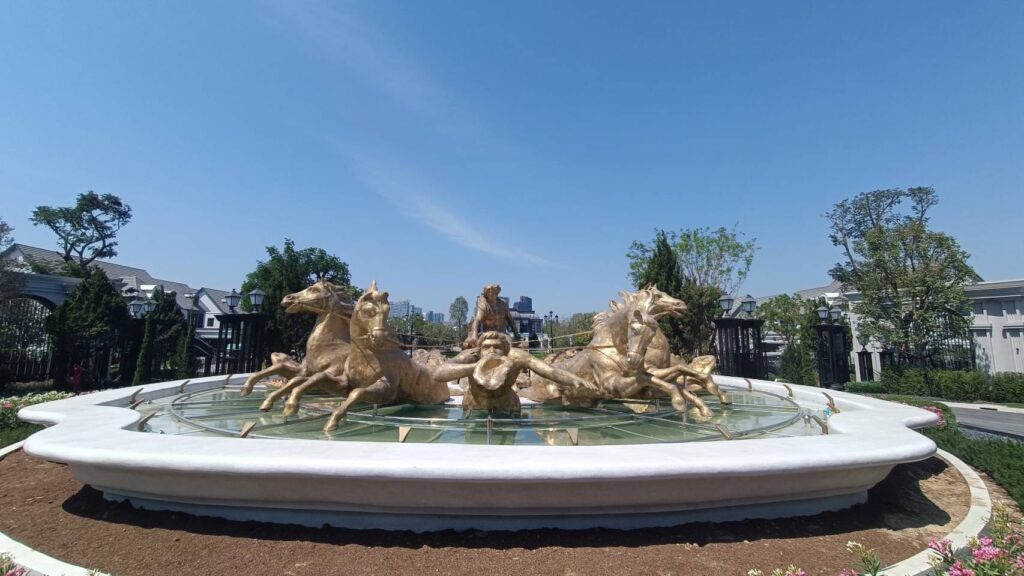
The Versatility and Structural Beauty of Steel in Sculpture
There are various types of steel used in sculpture, each possessing distinct properties based on its chemical composition and manufacturing process. The first is Carbon Steel, the most widely used material due to its high strength, affordability, and ease of welding and forming. It is perfectly suited for structural work and contemporary sculptures; however, it is highly susceptible to rust if not adequately protected.
Another type is Cast Iron, which contains a high carbon content, making it exceptionally hard but relatively brittle. This material is ideal for intricate casting, such as decorative statues or detailed architectural ornaments. While cast iron excels at capturing fine details, it is not suitable for works that must endure heavy impact.
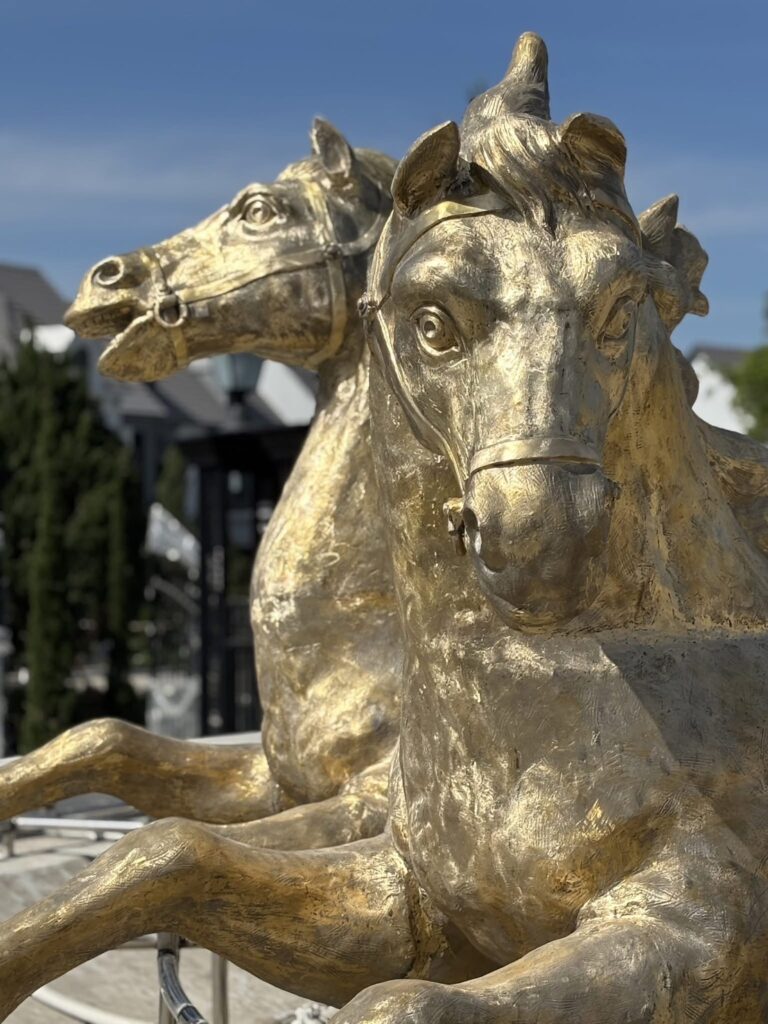
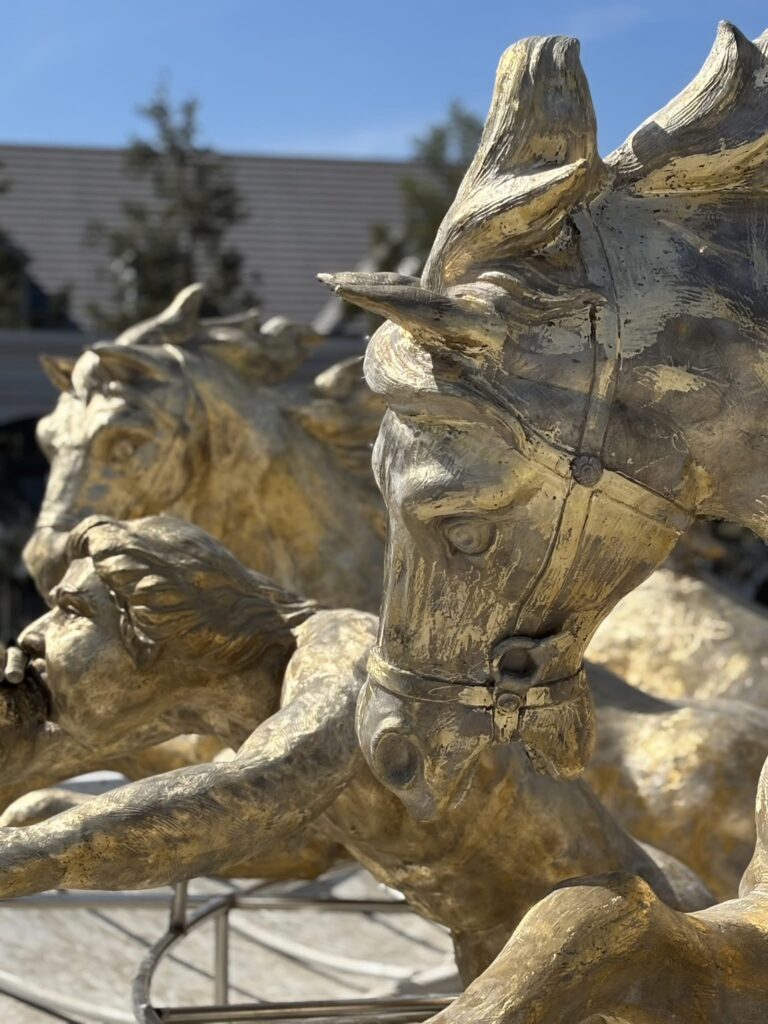
A material of significant historical and artistic importance is Wrought Iron (Malleable Iron). With a very low carbon content, it is highly tough and easily forged into delicate shapes. Historically, wrought iron was extensively used for gates, doors, lamps, and architectural decor, as well as sculptures requiring elegant, flowing curves. Its standout feature is the presence of fibrous slag inclusions within the metal, providing unique crack resistance and a one-of-a-kind surface texture. This material can be heated, forged, and bent with precision, making it perfect for high-end art that demands master craftsmanship. The resulting patterns evoke a sense of classic luxury and artisanal charm. Although genuine wrought iron is increasingly rare today due to the decline of traditional manufacturing, it remains a highly valued material in the world of art and design.
Despite its many advantages, the primary challenge of using steel in sculpture is Rust. This occurs through a reaction between iron, oxygen, and moisture, which can damage the surface, alter the color, and potentially compromise the structure over time. This is especially critical for outdoor sculptures exposed to sun, rain, and varying weather conditions. Consequently, effective rust prevention is an absolute necessity for preserving the integrity of the artwork.
Maintenance and the Future of Steel Art
The most popular method for preventing rust is applying a protective coating. This process begins with an anti-corrosive primer, followed by a topcoat that acts as a barrier against moisture while enhancing the sculpture’s aesthetic appeal. High-quality coatings significantly extend the lifespan of the artwork, with modern options ranging from gloss and matte finishes to specialized UV-resistant paints designed specifically for outdoor exposure.
Another effective approach involves treating the surface with rust-preventative substances such as wax, oil, or clear sealants. These agents reduce direct contact between the steel, air, and humidity. This technique is ideal for pieces where the artist wishes to showcase the raw, natural texture of the metal, allowing the authentic color and patterns to remain visible. It is particularly favored for Wrought Iron works, as it preserves the unique character of the hammer marks and intricate bends crafted by skilled artisans.
Galvanization, or the process of coating steel with a layer of zinc, offers an incredibly durable solution for high-performance corrosion resistance. Though it may slightly alter the surface’s visual character, it is exceptionally well-suited for large-scale outdoor sculptures that require long-term resilience. Beyond these chemical protections, consistent maintenance is equally crucial. Regularly cleaning dust and water spots, inspecting for cracks or peeling paint, and performing immediate repairs at the first sign of oxidation will ensure that a steel sculpture maintains its beauty and structural integrity for years to come.
In the modern era, steel has been reimagined through countless contemporary installations and public artworks. It is no longer viewed merely as a rigid industrial material, but as a profound medium capable of conveying deep emotions, complex ideas, and creative energy. The inherent flexibility of steel allows designers and fabricators to experiment with innovative forms and techniques without limits. Ultimately, the use of steel in sculpture reflects a seamless harmony between art and technology; working with this medium requires a mastery of materials science, technical craftsmanship, and artistic imagination, resulting in masterpieces that are as much a triumph of engineering as they are of fine art
In conclusion, steel is an invaluable material in the world of sculpture, prized for its strength, versatile formability, and unique aesthetic appeal. Each variety—whether carbon steel, cast iron, stainless steel, or wrought iron—offers distinct advantages that can be harnessed to create truly impressive masterpieces. When chosen thoughtfully and maintained with care, particularly through effective rust prevention, the beauty and longevity of the work are preserved. Steel sculpture remains a prestigious and enduring medium in contemporary art, celebrated not only for its durability but for its ability to communicate the profound power of human creativity through a material that is both incredibly strong and vibrantly alive.